
20kW/48kWh Integrated Solar-Storage Off-Grid Power Supply System Solution for Forestry Office Patrols in Perak State, Malaysia

Created on:2026-07-29

Foreword

 The state of Perak in Malaysia is home to vast areas of native palm forests and mountainous protected forest zones. These remote forest regions are dotted with forest management offices, field patrol stations, forest fire monitoring posts, and inspection staff outposts. Due to geographical constraints, these deep forest areas are far from the national power grid’s main transmission lines. Installing high-voltage transmission lines is extremely costly and time-consuming. Additionally, the rugged terrain of the forest roads makes transporting fuel for diesel generators difficult, resulting in persistently high operational and maintenance costs. Furthermore, diesel generators generate significant noise pollution, and their exhaust emissions do not comply with the Malaysian Environmental Protection Agency’s regulations on forest ecosystem conservation.

I. Project Overview

(1) Project Background

To ensure a stable and uninterrupted power supply for daily office equipment, surveillance and security systems, outdoor lighting, patrol communication base stations, and water pumping equipment in forest areas, and to address power supply challenges at remote sites, this project involves the planning and construction of a 20 kW/48 kWh three-phase integrated photovoltaic-storage power supply system. Utilizing a hybrid off-grid/grid-connected photovoltaic-storage solution—with photovoltaic power generation as the primary source and lithium-ion battery storage providing peak-shaving and backup capacity—the project aims to establish a clean, low-maintenance, and long-term stable independent power supply system for the forest area, meeting the round-the-clock power demands for office operations and patrol activities.


Video on the Working Principle of a 20 kW/48 kWh Three-Phase Integrated PV-Storage Power Supply System

(2) Basic Project Parameters

Project Location: Patrol Office Base in the Inland Forest Area of Perak State, Malaysia
System Configuration List
PV Modules: 650W N-type monocrystalline modules, with a peak power of 650W per module; 32 modules in total;

PV Layout Design: 8 modules connected in series to form 1 string; 4 strings in total, connected to two MPPT channels of the inverter;

Hybrid Inverter-Controller Unit: SW-20K-SG05LP3-EU-SM2, three-phase 20kW low-voltage energy storage hybrid inverter;

Energy storage system: SW-T51.2V16KWH-L2 rack-mounted lithium iron phosphate battery packs, 3 units in total, with a total storage capacity of 48 kWh;

Design theoretical average daily PV generation: 104 kWh; effective usable capacity of the energy storage system: 48 kWh;


System Configuration Diagra

Applications: Computers in forest management offices, surveillance cameras, communication relay equipment, nighttime lighting, small water pumps, and charging loads for inspection equipment.

The state of Perak in Malaysia has a tropical rainforest climate with abundant sunlight throughout the year. The average annual peak sunshine duration is approximately 4.2 to 4.6 hours. As the region experiences frequent rainy and cloudy weather, the system is equipped with energy storage batteries to compensate for insufficient sunlight on overcast and rainy days, ensuring that the base load remains uninterrupted for 2 to 3 consecutive days even under low-light conditions.

II. Technical Specifications of Core Equipment and Electrical Verification

(1) Key Electrical Parameters of 650W Photovoltaic Modules

Module Model: 650W Standard Test Conditions (STC)
Peak Power Pmax: 650W
Maximum Power Point Voltage Vmpp: 41.70V
Maximum Power Point Current Impp: 15.57A
Open-Circuit Voltage Voc: 49.73V
Short-Circuit Current Isc: 16.63A
Temperature Coefficient: Open-Circuit Voltage Temperature Coefficient -0.25 %/°C
Extremely low temperatures are rare in Malaysia’s forested areas; therefore, the system verifies the series open-circuit voltage based on a minimum ambient temperature of 22°C (STC standard temperature: 25°C). The Voc@25°C for a single module is 49.73 V; the theoretical open-circuit voltage for 8 modules connected in series is: Voc series = 49.73 V × 8 = 397.84 V

(2) Verification of the Inverter’s MPPT Voltage Range
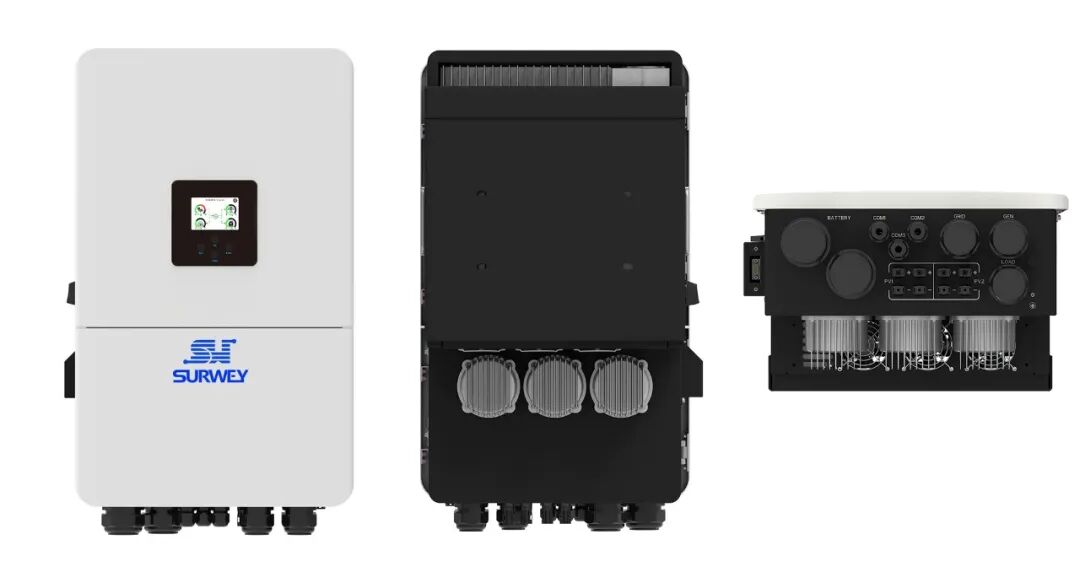
This project utilizes the SW-20K-SG05LP3-EU-SM2 three-phase hybrid inverter-controller unit. The device’s PV MPPT operating voltage range is 150 V to 850 V. The open-circuit voltage of the eight modules connected in series is 397.84 V, and the normal operating Vmpp series voltage is 41.70 V × 8 = 333.6 V.
✅Verification Conclusion: After the modules are connected in series, both the operating voltage and the maximum open-circuit voltage fall entirely within the inverter’s effective MPPT operating range (150–850 V). The electrical configuration is appropriate, eliminating the risk of failure to start due to excessively low voltage or damage to the inverter’s PV ports due to excessively high voltage. The four PV strings can be evenly distributed across the inverter’s two independent MPPT channels, enabling maximum power point tracking.

Three-View Drawings of a 20 kW Three-Phase Grid-Tied Inverter

Additional Notes:In the event of extremely low temperatures, the open-circuit voltage of the modules increases slightly; however, the maximum open-circuit voltage of an 8-string module array remains well below the inverter’s maximum PV-side voltage rating of 850 V. The electrical design incorporates ample safety margins and is well-suited to Malaysia’s tropical rainforest climate.

(3) Energy Storage Battery Specifications
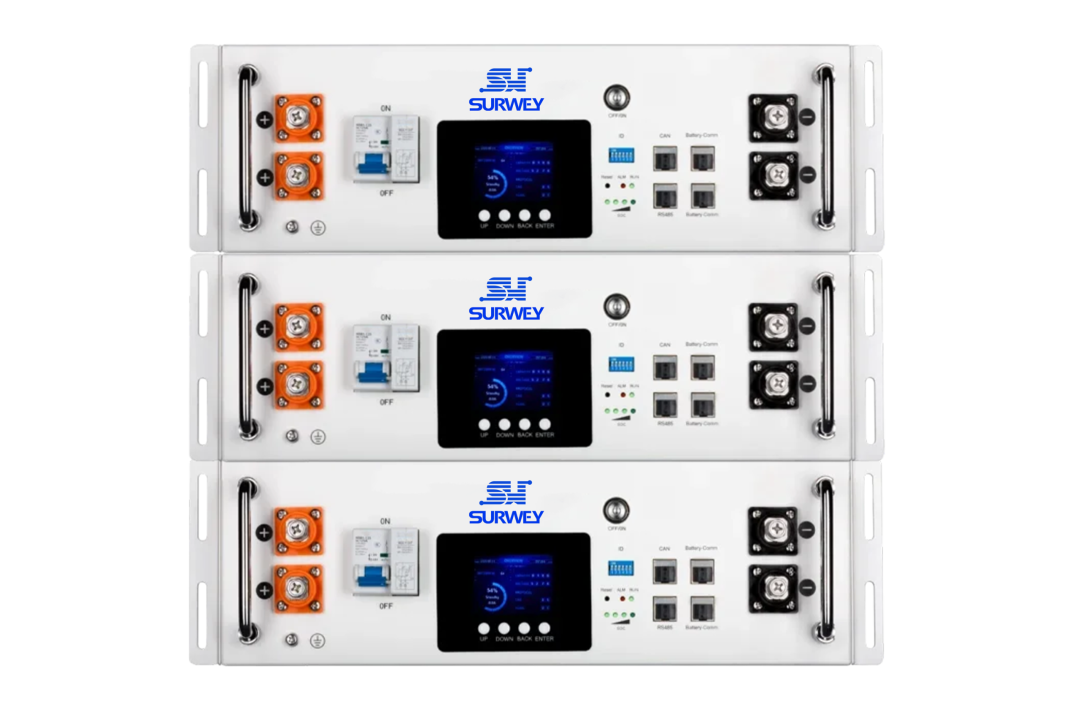
The energy storage unit uses the SW-T51.2V16KWH-L2 rack-mounted LiFePO4 lithium-ion battery pack, with a nominal voltage of 51.2V, a capacity of 314Ah, and an energy storage capacity of 16kWh per unit; the project is configured with three battery units connected in parallel, providing a total energy storage capacity of 48kWh. The battery operating voltage range is 43.2 V to 58.0 V, which perfectly matches the battery port voltage requirements of the 20 kW low-voltage energy storage inverter.
The battery features a built-in BMS (Battery Management System) that supports active balancing and multi-level protection against overcharging, over-discharging, overcurrent, and high temperatures. It supports parallel expansion of up to 16 units; the cycle life is ≥12,000 cycles (80% DOD). It is designed to withstand the day-night temperature fluctuations typical of forested areas and is suitable for rack-mounted installation, facilitating efficient layout within data centers.
The system is configured with a recommended depth of discharge of 90%, resulting in an effective available storage capacity of approximately 43.2 kWh. The design incorporates a safety margin, and daily management maintains the daily stored energy within the rated capacity of 48 kWh.

Three 16-kWh rack-mounted, stackable lithium-ion battery packs

III. Overall System Topology and Operating Modes

Topology of the complete 20kW solar-storage system: 32 650W solar modules are divided into 4 strings (8 modules per string); after being connected to the solar combiner box, the cables are connected to the solar input terminals of the SW-20K hybrid inverter; Three 16kWh lithium-ion batteries are connected in parallel and directly linked to the inverter’s battery interface; the inverter outputs three-phase AC power to directly supply local loads in the forest area, while a utility power interface is reserved to enable an optional utility backup and complementary mode. The system features four operating modes:

System Topology Diagram

Sunny Day PV Priority Mode:During periods of ample sunlight, the electricity generated by the photovoltaic modules is supplied directly to power office and patrol equipment in the forest area, while excess electricity is used to charge the 51.2V lithium-ion battery pack until it is fully charged. The average daily power generation is 104 kWh; during the day, the load consumes a portion of this electricity, and the remaining energy is stored in the energy storage batteries, meeting the design target of 48 kWh of daily energy storage.

Low-Light / Cloudy or Rainy Weather Energy Storage Discharge Mode:In the early morning, at dusk, or during cloudy or rainy weather, when solar power generation is insufficient, the lithium-ion battery discharges electricity to continuously power the loads, ensuring the uninterrupted operation of monitoring, communication, and basic lighting systems.

Mains-Backup Hybrid Mode (Optional):When there are several consecutive days of extreme rain, and the stored energy is depleted, the inverter can automatically switch to the external utility grid as a backup power source; at this forest area site, the system primarily operates as a standalone solar-storage system, with the utility grid serving only as a backup for prolonged periods of extreme weather.

Shutdown Protection Mode:The BMS and inverter work in tandem; when the battery reaches the low-voltage protection threshold or the equipment overheats, the system automatically activates or deactivates to prevent damage, making it suitable for unattended operations in forest areas.

IV. Calculation of Power Generation and Load Matching

Total PV installed capacity: 32 panels × 650 W = 20,800 W ≈ 20.8 kW, matching the 20 kW rated power of the inverter;

Based on an effective peak daily sunshine duration of 4.2 hours in the forested areas of Perak State: Theoretical daily power generation = 20.8 kW × 4.2 hours ≈ 87.36 kWh; Taking into account the seasonal cloud cover typical of tropical rainforests, cable losses, dust-induced performance degradation of the modules, and a combined efficiency factor of 0.88 for the inverter, the actual average daily power generation is ≈87.36 × 0.88 ≈ 76.9 kWh; during the dry season, when sunlight conditions are better, the peak average daily power generation can reach 104 kWh, which is consistent with the design specifications.

Energy Storage Capacity Matching Analysis: The total energy storage capacity is 48 kWh, used to store surplus solar power generated during the day to ensure the basic load in the forest area is met at night and during periods of low light. The nighttime base load at forest patrol stations primarily consists of 24-hour video surveillance, communication relays, and emergency lighting. Daily base power consumption is maintained within the range of 35–42 kWh. The 48 kWh energy storage capacity can fully meet nighttime power demands and provides an emergency power reserve sufficient for one day of overcast or rainy weather, thereby preventing power outages from disrupting forest fire monitoring and field patrol coordination operations.

V. Equipment Installation Plan Design

(1) Photovoltaic Array Layout
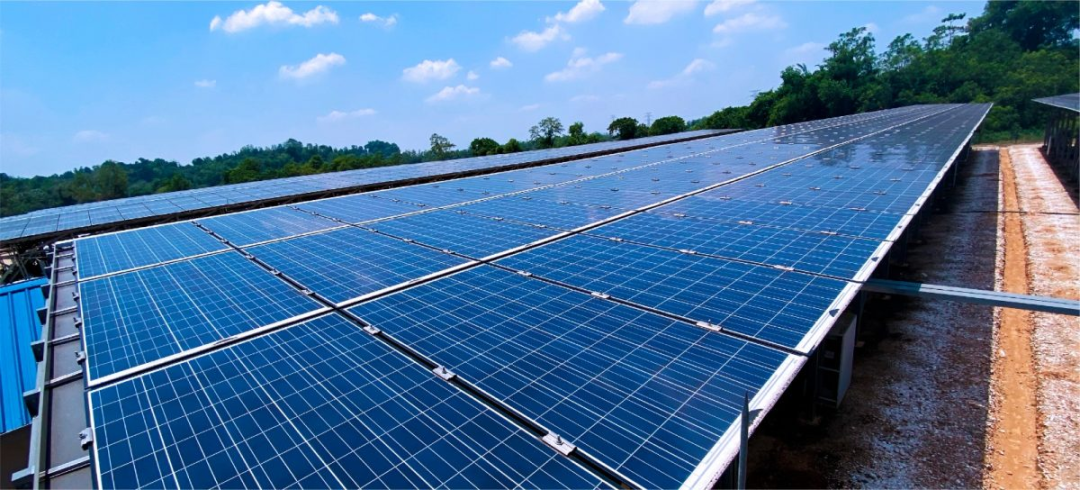
32 650W modules, measuring 2382×1134×30mm, are mounted on steel-frame racks on the roofs of office buildings in forested areas or on open, level ground; The installation tilt angle is set between 10° and 15° based on Perak State’s latitude, balancing year-round sunlight exposure while facilitating rainwater runoff to wash the surface, thereby reducing the accumulation of fallen palm leaves and dust that can lower power generation efficiency. Electrical Wiring: Eight panels are connected in series to form a string, with four PV cables routed to an outdoor PV combiner box. The combiner box is equipped with built-in surge protection and DC circuit breakers, meeting Malaysian electrical safety standards. Weather-resistant PV-specific cables are used for the DC wiring, with an outer layer providing protection against rodent damage to ensure suitability for the outdoor environment in forested areas.

Scene of Solar Panel Installation in a Forest Area

(2) Equipment Layout in the Server Room

The SW-20K-SG05LP3-EU-SM2 integrated inverter-controller unit and three SW-T51.2V16KWH-L2 rack-mounted lithium-ion battery units are installed together in a dedicated indoor electrical distribution room. The lithium-ion batteries are stacked in racks, with ventilation gaps left between them for heat dissipation; the room is equipped with basic ventilation and temperature/humidity monitoring devices and is shielded from direct sunlight. The AC output section is equipped with a three-phase AC distribution switch that provides zoned control over office loads, monitoring loads, and charging circuits for inspection equipment, facilitating future operation, maintenance, and repairs.

VI. Project Summary

Designed to address the power supply challenges at the patrol office base in the inland forest area of Perak State, Malaysia, this 20kW/48kWh integrated photovoltaic-storage power supply solution utilizes 32 pieces of 650W N-type monocrystalline photovoltaic modules, paired with a SW-20KW three-phase hybrid inverter-controller unit and three 16kWh rack-mounted lithium iron phosphate energy storage batteries. Following rigorous electrical verification, the open-circuit voltage of eight modules connected in series was measured at 397.84 V, which falls entirely within the inverter’s MPPT operating range of 150–850 V, ensuring a safe and reliable electrical architecture.
The system is designed to generate up to 104 kWh of electricity per day during the dry season, with the energy storage system storing 48 kWh of surplus power. This effectively meets all basic electricity needs in forest areas—including daytime office operations, nighttime surveillance, and communication for patrols—eliminating the reliance on distant power grids and high-cost diesel generators. This solution is clean and low-carbon, simple to operate and maintain, and well-suited to the remote tropical rainforest environment. It provides a mature and reliable distributed photovoltaic-storage power supply solution for inland forest areas, remote sites in oil palm plantations, and forest protection patrol bases on the Malaysian Peninsula.