
Technical Solution for Household Micro-inverter Photovoltaic Energy Storage Systems in Rural Lebanon
Foreword
Lebanon’s local electricity grid infrastructure is outdated and underdeveloped, resulting in extremely poor supply stability; across the country, the effective daily electricity supply lasts for only 1–4 hours, and routine power cuts severely disrupt the daily lives of rural residents. As the local housing stock consists mainly of self-built rural dwellings, household electricity consumption is centred on basic, low-power appliances such as lighting, televisions and small refrigerators, with no demand for high-power consumption; consequently, there is a huge demand for low-cost, easy-to-install photovoltaic energy storage systems that require no complex operation or maintenance.
🏠 I. Project Background
This solution has been specifically tailored for self-built homes in rural Lebanon. Relying on a proven turnkey micro-PV storage system, it adopts an operational model where solar power is generated for self-consumption, with surplus electricity stored for backup use. This completely resolves the issue of mains power shortages, ensuring a round-the-clock supply of basic household electricity, whilst adapting to local rural installation conditions, electricity consumption habits and a simple operation and maintenance environment.
⚙️ II. Core System Configuration
This system employs a tailored architecture featuring parallel PV power generation and series battery storage. The equipment is highly compatible in terms of parameters, ensuring stable operation, easy installation and strong adaptability. The core configuration of the complete system is as follows:

This system configuration comprises two SW-580W photovoltaic modules connected in parallel, with an open-circuit voltage of 52.05V; one 1200W micro-inverter, with an MPPT operating voltage of 25–48V and IP66 protection; one SW MPPT-60A controller, supporting 12/24/48V battery types and utilising a three-stage charging process; the energy storage component comprises three 12V 100Ah lithium iron phosphate batteries connected in series, each with its own BMS protection, ensuring safety, durability and a long cycle life.
This system has an average daily power generation capacity of 5.8 kWh. After the daytime load has consumed a portion of the electricity, 3.6 kWh of usable stored energy remains each day, specifically reserved for use during night-time power cuts and periods of low light, such as on overcast or rainy days, to ensure an uninterrupted supply of basic household electricity.
🔋 III. System-connected devices, power ratings and operating times
The system has a total energy storage capacity of 3.6 kWh. After accounting for normal losses due to the inverter and wiring, the actual effective output is approximately 3.2 kWh, which is precisely tailored to the basic electricity consumption patterns of rural households in Lebanon. The operating power ratings and durations for various common loads are as follows:
| Electrical Load | Rated Power | Continuous Operating Duration | Usage Note |
|---|---|---|---|
| LED Home Lighting | 80 W | approx. 40 hours | Covers basic nighttime lighting for the whole house |
| Home LCD TV | 120 W | approx. 26 hours | Meets daily leisure & entertainment power demand |
| Small Home Refrigerator | 100 W | 28–32 hours | Runs intermittently (on/off), keeping food fresh |
| Mixed Load (Lighting + TV + Refrigerator) | 300 W | 10–11 hours | Covers the full no‑mains period overnight |
The above durations are calculated based on standard operating conditions; actual performance may vary slightly depending on ambient temperature, battery age and load fluctuations. This system is designed primarily to meet basic domestic electricity needs and does not support high-power appliances such as air conditioners or electric water heaters. Furthermore, the micro-inverter is solely responsible for converting DC power from the photovoltaic system; during the day, the photovoltaic system can power loads directly, whilst at night, a separate battery inverter is required to release stored energy to supply power.
✅ IV. Verification of Photovoltaic Electrical Parameters (2 × 580W modules in parallel)
Under standard conditions, the open-circuit voltage of a single 580W photovoltaic module is 52.05V. This configuration employs a parallel connection of two modules; after parallel connection, the system’s total open-circuit voltage remains unchanged at 52.05V.
The 1200W micro-inverter is matched to these parameters, with an MPPT operating range of 25V–48V and a maximum input voltage rating of 60V. The voltage of 52.05V after parallel connection is below the device’s maximum voltage rating, placing it entirely within the safe operating range. Furthermore, it falls within the precise MPPT tracking range, ensuring stable power generation efficiency and high power utilisation under sufficient sunlight. The total power of the two panels in parallel is 1,160 W, which is perfectly matched to the 1,200 W inverter. This provides a reasonable power margin, preventing overload damage to the equipment and effectively extending its service life.

A 1,200W modular multi-function micro-inverter: during the day, solar power is prioritised to supply the load, whilst any surplus electricity is stored in the battery and released at night. The micro-inverter features a button to switch between grid-connected and anti-backflow modes; pressing the ‘CT’ button activates the anti-backflow function. For customers who require anti-backflow protection but also wish to install a storage system, this provides the perfect solution;
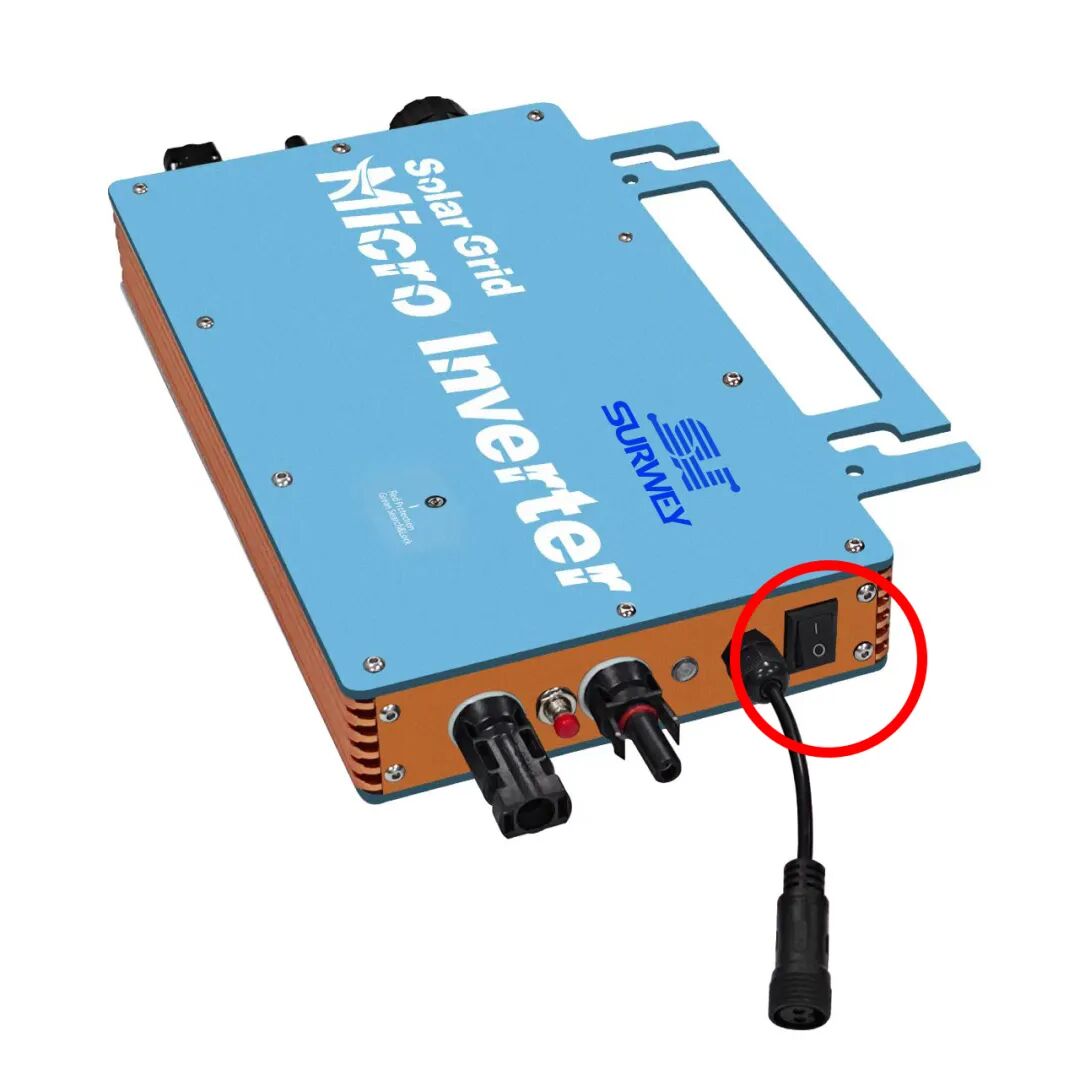
Inverter CT button
When paired with the SW MPPT-60 controller, the maximum withstand voltage on the PV side reaches 150 V DC, which is significantly higher than the output voltage of the PV modules. There is no risk of overvoltage throughout operation, and the hardware provides ample safety redundancy. The system features a dual-output design for the PV side: one output supplies power directly to the load via the inverter, whilst the other charges the battery, thereby ensuring efficient utilisation of solar power and effective storage of surplus electricity.
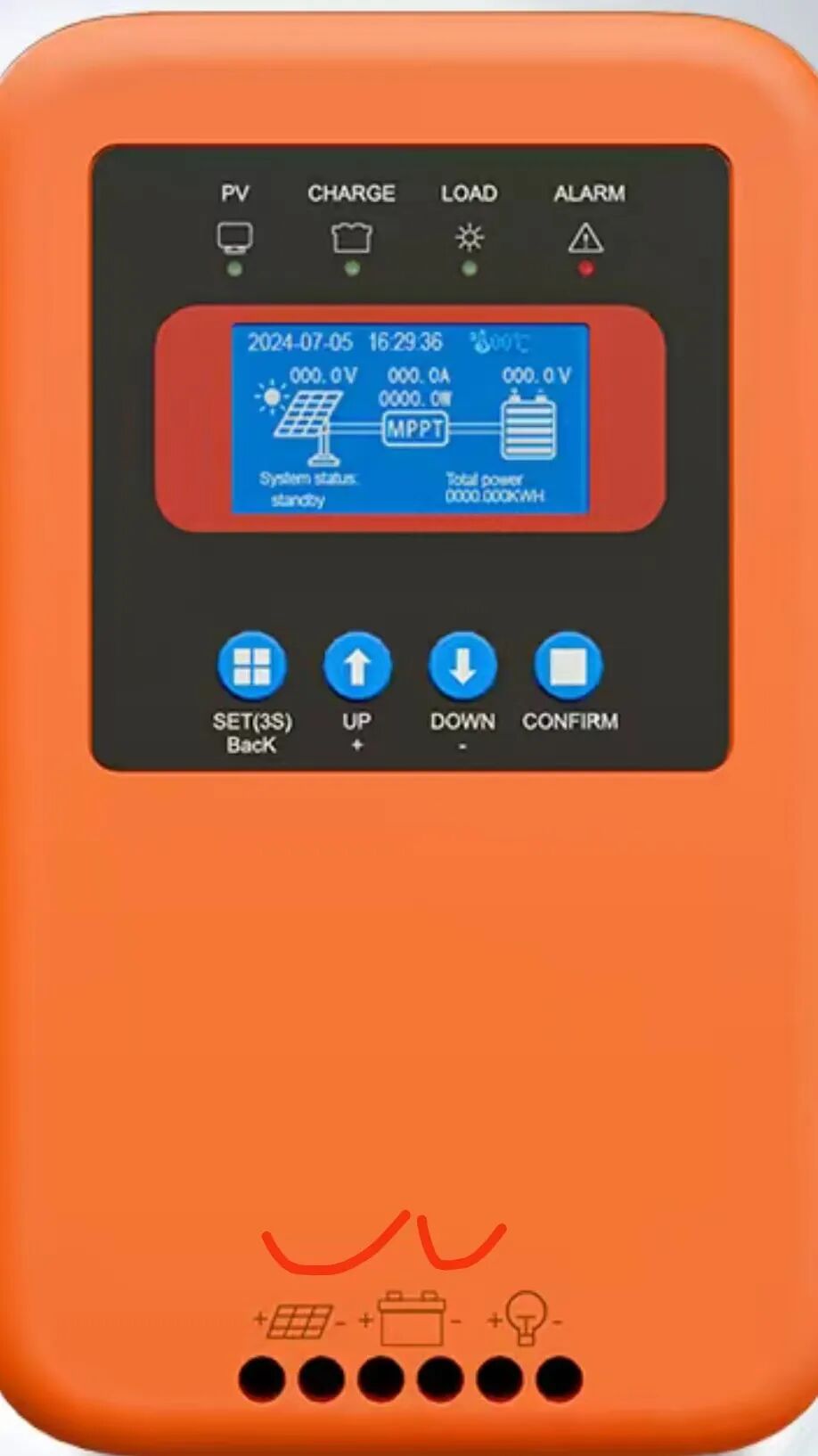
60A MPPT controller
Important note: Under no circumstances should the two solar panels be connected in series. If connected in series, the total voltage would reach 104.1V, which far exceeds the inverter’s voltage rating and would result in the equipment being burnt out. Parallel connection is the only compliant and safe wiring method for this setup.
📊 V. Calculation of Energy Storage System Parameters
The energy storage component of this system comprises three 12V 100Ah batteries connected in series. When connected in series, the rated voltage of the battery pack increases to 36V, whilst the capacity remains at 100Ah. The total energy storage capacity is 36V × 100Ah = 3,600 Wh = 3.6 kWh, which perfectly matches the system’s average daily energy storage requirement, making this configuration both precise and appropriate.

Each battery weighs 12.5 kg, with the three batteries totalling 37.5 kg. Compact and lightweight, they are well-suited to simple installation scenarios in self-built rural homes, requiring no additional structural modifications to support the load. The series-connected boost design effectively reduces the charging current, minimises transmission losses in the wiring, and significantly improves the overall efficiency of the system in terms of both power generation and energy storage. Each battery is equipped with its own independent BMS protection, which effectively prevents overcharging, over-discharging and overcurrent issues, ensuring the long-term stable operation of the battery pack.
When paired with the SW MPPT-60 controller, which supports a dedicated three-stage smart charging mode for lithium iron phosphate batteries, the charging conversion efficiency is ≥96 per cent, effectively preserving battery activity and extending the battery’s cycle life. The device features a built-in LCD screen displaying real-time operational data and, with RS485 communication, enables both local viewing and remote monitoring. It also incorporates multiple safety features, including overload, reverse connection and high-temperature shutdown protection, making it suitable for Lebanon’s challenging outdoor environments. During installation and commissioning, simply switch the controller to the 36V LiFePO₄ mode for normal operation.
In terms of system architecture, the micro-inverter only performs DC-to-AC conversion of photovoltaic power and does not support reverse discharge from the battery; a separate inverter is required for night-time power supply from the energy storage system. The MPPT controller features a built-in DC load interface, enabling it to directly power small DC devices and accommodate diverse power consumption requirements.
💡 VI. System Operating Logic

System Topology Diagram
⛅ During periods of ample daylight
Two photovoltaic modules connected in parallel generate electricity continuously, prioritising the conversion of this power into 230V AC via a 1200W micro-inverter to directly power lighting, a television and a small fridge, thereby enabling on-site consumption of the solar-generated electricity. Any surplus electricity is regulated for voltage and current by a 60A MPPT controller and used to charge a 36V series battery bank for energy storage. The system generates an average of 5.8 kWh per day; after deducting real-time daytime consumption, 3.6 kWh can be reliably stored daily for backup.
🌙 Night-time and periods of overcast or rainy weather
In rural Lebanon, mains electricity is available for only 1–4 hours per day; for the remainder of the time, the household relies entirely on stored energy. The electricity stored during the day is converted to AC via a standalone inverter, ensuring the stable operation of the household’s essential loads throughout the night and fully covering the period of power cuts. In the event of consecutive days of rain and overcast skies, when photovoltaic generation is insufficient, the stored electricity serves as a safety net, maintaining essential lighting and powering the fridge to preserve food, thereby significantly enhancing the system’s fault tolerance.
🛡️ VII. Environmental Adaptability and Equipment Protection
The entire system is designed for complex outdoor environments and is perfectly suited to Lebanon’s climate, characterised by significant day-night temperature fluctuations and frequent wind and sand.
The micro-inverters feature an IP66 rating for water and dust resistance; the PV module junction boxes have an IP68 rating, enabling them to withstand long-term exposure to rain, wind and sand outdoors, and are suitable for open-air installation on rural rooftops. The MPPT controller is fitted with an air-cooled heat dissipation system, which effectively mitigates power loss caused by high-temperature operation and prevents failures due to overheating.
The complete system incorporates multiple safety protection mechanisms: the inverter features comprehensive protection against islanding, overvoltage, undervoltage and overtemperature; the MPPT controller provides protection against overcurrent, reverse connection and overheating shutdown; Each individual battery cell is equipped with BMS protection, and these multiple layers of safeguards significantly reduce the likelihood of equipment failure, making the system suitable for use in rural areas of Lebanon where there are no professional O&M personnel, whilst ensuring safe and stable operation.
🔧 VIII. Key Points for Installation and Operation & Maintenance
During installation, strictly adhere to the specifications for parallel wiring of photovoltaic panels; series connection is strictly prohibited to prevent equipment damage caused by overvoltage; All outdoor connection points must use waterproof connectors, and proper insulation and waterproofing must be ensured. Batteries must be wired strictly in a 3-cell series configuration to ensure consistent cable lengths and secure connections, thereby avoiding excessive voltage differences between individual cells. Batteries should be placed in a well-ventilated, dry area, away from enclosed, high-temperature environments. Additionally, MPPT parameters should be calibrated to match the charging mode of the 36V lithium iron phosphate batteries, ensuring optimal charging efficiency and battery lifespan.
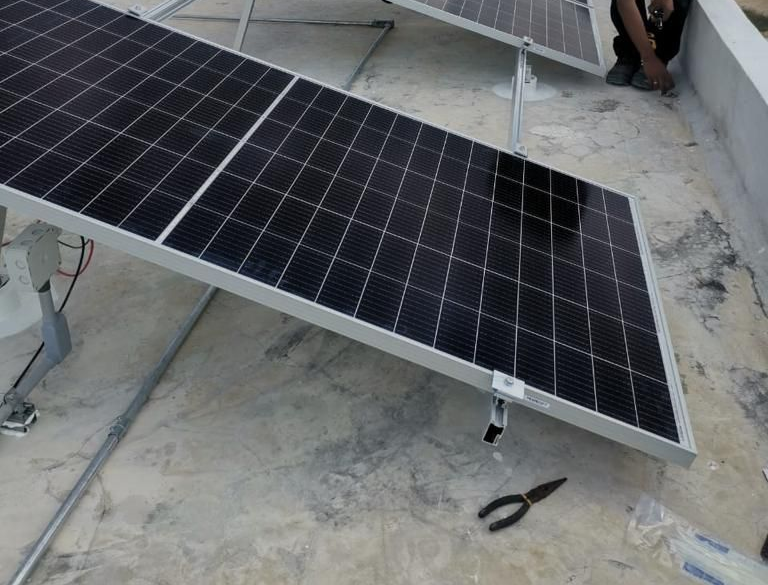
Solar Panel Installation
The entire system is extremely simple to operate and maintain. The inverter features built-in Wi-Fi monitoring, whilst the MPPT controller has an integrated LCD display, allowing users to view power generation, charging, voltage and current data at any time and quickly troubleshoot any equipment faults. The system contains no vulnerable components, ensuring stable long-term operation, and is perfectly suited to the requirements of rural areas for low-cost, low-maintenance solutions.
📝 IX. Summary of the Solution
This solution has been specifically tailored for owners of self-built homes in rural Lebanon, precisely addressing the key challenges of insufficient grid supply hours and frequent power cuts in the local area. It employs a proven configuration comprising two 580W solar panels connected in parallel for power generation and three 12V 100Ah batteries connected in series for energy storage, paired with a 1200W micro-inverter and a 60A MPPT controller. The system generates an average of 5.8 kWh and stores 3.6 kWh per day, with optimally matched electrical parameters and ample safety redundancy.
The complete system features a high protection rating, strong environmental adaptability, simple installation and low operation and maintenance costs. It can reliably provide round-the-clock power for basic household needs in rural areas—such as lighting, televisions and small refrigerators—and is highly aligned with the local market’s essential needs, offering excellent practicality and significant market potential.


