
36kW/32kWh Off-Grid PV Energy Storage System Solution for Hotels in Thailand
Preface
As Thailand’s tourism industry continues to recover, power demand keeps rising for various resort hotels and coastal homestays. The local power grid in Thailand suffers from unstable power supply, large peak-valley electricity price gaps and frequent blackouts. Many island and suburban scenic hotels often face short-term power outages, which shut down air conditioners, lighting, water supply pumps and kitchen equipment and directly damage guest experience. Meanwhile, commercial electricity prices climb year by year, and long-term reliance on municipal power grids drastically increases hotels’ operating costs.
Video: Working Principle of 36kW/32kWh C&I PV Energy Storage System
I. Project Overview

Figure: Configuration Diagram of 36kW/32kWh C&I PV Energy Storage System
II. Core Equipment Selection & Electrical Verification
(1) PV Module Parameters
This project adopts 620W N-type TOPCon monocrystalline silicon PV modules. Electrical parameters under Standard Test Conditions (STC):
- Maximum Power (Pmax): 620W
- Maximum Power Point Voltage (Vmpp): 41.4V
- Maximum Power Point Current (Impp): 14.99A
- Open-circuit Voltage (Voc): 49.6V
- Open-circuit Voltage Temperature Coefficient: -0.24%/℃ Operating temperature range of modules: -40℃ ~ +70℃ Dimensions: 2382×1134×30mm IP68 protection rating, capable of withstanding Thailand’s high temperature, high humidity and coastal salt spray corrosion in outdoor environments.

(2) PV Array Series Configuration & Voltage Verification
The matching inverter model is SW-06KL1 PRO-1 with specified parameters: MPPT operating voltage range 85V~450V, startup voltage 85V; maximum allowable PV-side open-circuit voltage 500V (Voc-max=500V). Each 6kW inverter is equipped with 8 pieces of 620W modules, totaling 48 modules for 6 inverters. Each inverter has an independent MPPT channel, with 8 modules connected in one string to a single hybrid inverter.
Voltage Calculation & Verification
STC open-circuit voltage of a single module: Voc=49.6V Open-circuit voltage of 8 series-connected modules at normal temperature: 49.6V × 8 = 396.8V
The minimum ambient temperature in early winter mornings in Thailand can drop to 20℃. Lower module temperature will raise open-circuit voltage. We calculate under extreme low-temperature conditions: Module Voc temperature coefficient: -0.24%/℃; standard temperature set at 25℃, ambient temperature drops by 5℃. Low-temperature open-circuit voltage of single module: 49.6 × [1 − 0.0024 × (20 − 25)] = 49.6 × 1.012 = 50.195V Extreme low-temperature open-circuit voltage of 8 series modules: 50.195 × 8 = 401.56V
Conclusion: The extreme low-temperature open-circuit voltage of the series modules is 401.56V, lower than the inverter’s maximum allowable PV open-circuit voltage of 500V and higher than the minimum MPPT startup voltage of 85V, falling within the optimal MPPT tracking range of 85V~450V. The electrical configuration of the PV array is safe and compliant. The inverter can stably track maximum power without risks of overvoltage damage or MPPT startup failure.
Maximum power voltage of one string: 41.4V × 8 = 331.2V, also within the inverter’s MPPT operating window. The electrical scheme of the entire PV array is feasible.
(3) SW-06KL1 PRO-1 Off-Grid Hybrid Inverter (6 Units)
The system is equipped with 6 units of 6kW single-phase off-grid hybrid inverters, with a rated AC output of 6kW per unit and a total AC output power of 36kW for six units. The inverters support parallel operation of up to 12 units; six units are paralleled to form the complete power supply system for this project.
- Operating modes: Pure sine wave output; supports PV priority, battery energy storage, optional grid complementary mode and UPS seamless switching;
- Battery compatibility: Compatible with 48V lithium batteries (51.2V lithium iron phosphate batteries used in this project); built-in BMS communication port for linkage with energy storage batteries;
- IP54 protection rating, fan cooling design, adaptable to high-temperature environments in outdoor equipment rooms in Thailand;
- Switching performance: Typical switching time less than 10ms in backup mode, so inductive loads such as hotel air conditioners and lighting will not shut down during power switching.
After six inverters are paralleled, the system peak output power reaches 36kW, covering simultaneous basic power loads of the hotel including lighting, guest room air conditioners, water supply systems and ventilation equipment.

(4) Energy Storage System: 51.2V 314Ah Wheel-Mounted Lithium Iron Phosphate Batteries (2 Units)
Two mobile energy storage batteries are adopted for the energy storage unit. Specifications per unit: 51.2V, 314Ah, usable capacity 16076Wh ≈ 16kWh, with a total energy storage capacity of 32kWh for two units. Key electrical parameters:
- Nominal voltage: 51.2V (compatible with 48V-platform hybrid inverters);
- Continuous charging current: 0~150A; continuous discharging current: 0~200A;
- Built-in multi-level BMS protection with overvoltage, undervoltage, overcurrent, short-circuit and overtemperature protection; supports RS485, CAN, Bluetooth and WIFI communication to connect with inverter BMS for unified charge-discharge strategy scheduling.
Function of energy storage: When daytime PV power generation exceeds real-time hotel load, surplus electricity charges the batteries. During evenings, nights or cloudy days with insufficient PV output, batteries discharge to supply loads. The project is designed with a daily energy storage capacity of 32kWh. Energy storage stabilizes PV power fluctuations and ensures 24-hour stable power supply for the hotel.
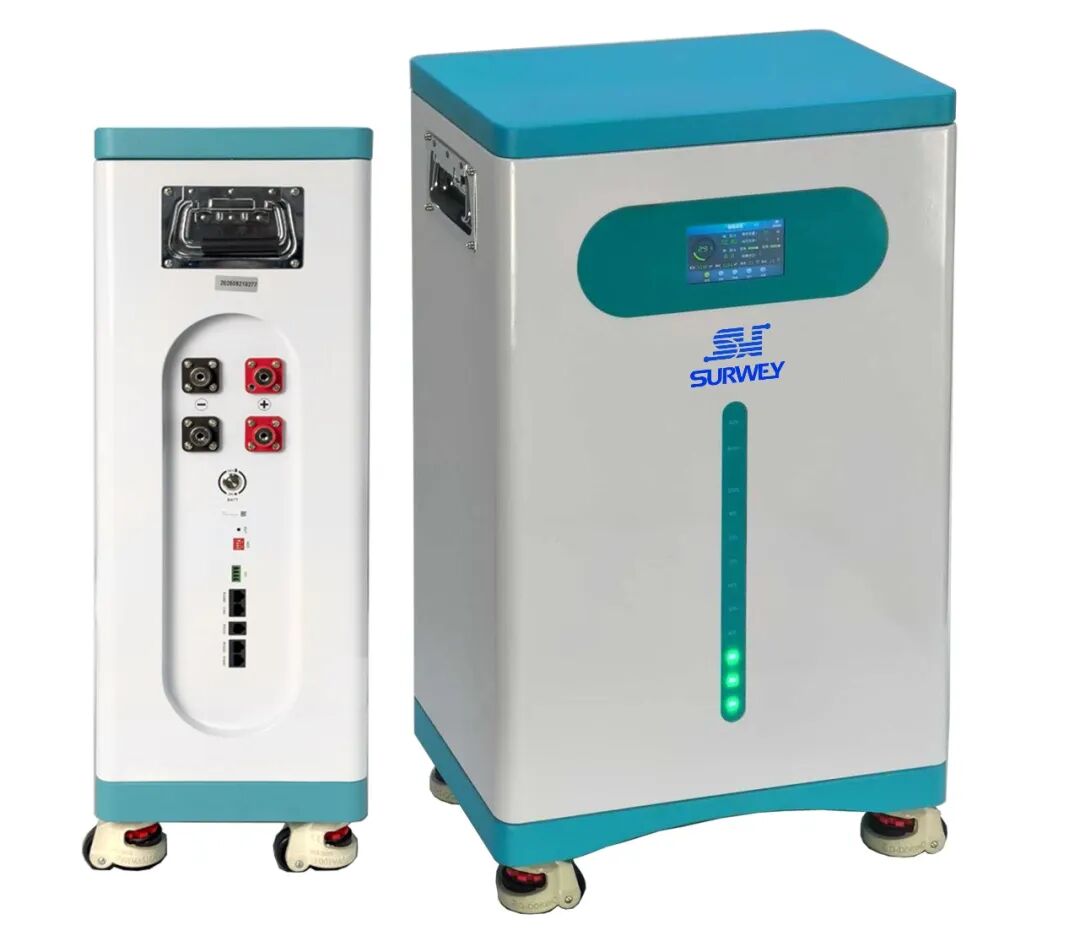
Figure: 51.2V 314Ah Wheeled Lithium Iron Phosphate Energy Storage Battery
III. System Operation Logic
The complete 36kW/32kWh PV energy storage system adopts an off-grid architecture customized according to the load characteristics of Thai hotels, with the following operating strategies:
1. Daytime PV Generation Period (9:00 – 17:00)
With sufficient sunlight, PV modules generate DC power, which is boosted by the MPPT module of the hybrid inverter and converted into 230V AC power to supply hotel loads first. If real-time hotel power consumption is lower than real-time PV output, surplus electricity charges the lithium batteries until fully charged.
2. Low Light / Rainy Conditions
When cloud cover or rain reduces PV output to a level insufficient to support hotel loads, the system automatically switches to joint power supply by storage batteries and PV panels to guarantee uninterrupted power for guest rooms.
3. Nighttime (18:00 – 08:00 next day)
With no PV input, energy storage batteries discharge to power hotel loads. Main nighttime loads include guest room lighting, air conditioners and corridor ventilation equipment. Discharge depth is reasonably controlled to extend lithium battery service life.
4. Optional Grid Backup Mode (Expandable on Demand)
The inverter reserves a grid access port. If the hotel retains municipal power grids in later stages, a grid backup strategy can be set: the system automatically switches to grid power for supplementary charging when battery capacity drops to a preset threshold, eliminating the risk of complete blackout.
IV. Power Generation & Revenue Estimation
1. Estimated Power Generation
Total installed PV capacity: 48 pieces × 620W = 29760W ≈ 29.76kW Equivalent horizontal sunshine hours in central and southern Thailand: around 4.5~5 hours. Taking module attenuation, temperature loss, inverter conversion loss and dust shading into account, the comprehensive system efficiency is set at 0.83. Average daily power generation = 29.76kW × 5h × 0.83 ≈ 123.5kWh. In coastal areas with superior sunshine conditions such as Phuket and Koh Samui, the peak daily power generation can reach 148kWh, matching the design index of this solution.
2. Energy Storage Scheduling Description
Total energy storage capacity stands at 32kWh, with a designed daily stored energy of 32kWh. Surplus solar power generated in the daytime is stored in batteries to power basic nighttime loads. Commercial electricity prices in Thailand remain high, and resort hotels consume power all day long. After adopting the self-generation self-consumption PV energy storage system, grid power purchase volume can be greatly reduced: high-cost municipal power is avoided in the daytime via direct PV consumption, and stored solar power is used at night, significantly cutting monthly electricity expenditure in long-term operation. Meanwhile, the system avoids operating losses caused by unexpected grid blackouts, improves hotel service quality and serves as a green new energy marketing highlight for the resort.
V. Advantages of the Solution Adapted to Local Thai Environment
1. Climate Adaptability: Modules Resist Humidity, Heat and Salt Spray
The 620W N-type TOPCon modules adopted feature tempered glass, 30mm aluminum alloy frames and IP68 junction boxes. Inverters reach IP54 protection rating, and energy storage battery cabinets adopt sealed design to withstand continuous rainfall in Thailand’s rainy season and coastal salt spray corrosion. The modules have negative temperature power coefficients, with milder power attenuation under high temperatures compared with traditional P-type modules, perfectly matching Thailand’s year-round hot climate.
2. Electrical Compliance with Thailand’s Single-Phase 230V Grid Standard
All hybrid inverters output standard 220/230V 50Hz power, fully consistent with Thailand’s domestic and commercial single-phase power supply standards. No extra frequency conversion or boosting equipment is required, enabling direct connection to the hotel’s existing power distribution lines.
3. Convenient Operation & Maintenance
Wheel-mounted integrated cabinets for energy storage batteries eliminate the need for separate battery rooms with flexible installation. Inverters support local LCD viewing and remote WIFI monitoring. Hotel managers or our technical team can remotely check power generation, battery state of charge and load consumption data for easy operation and maintenance. The equipment adopts modular configuration; single inverter or battery units operate independently, so failure of one unit will not paralyze the entire system.
4. Policy Incentive Potential
Thailand continues to encourage renewable energy development. Green PV projects related to tourism can apply for local new energy incentive policies. Equipping a PV energy storage system also acts as an eco-friendly selling point for hotels, attracting overseas tourists focusing on sustainable travel.

Figure: Rooftop Solar Panel Array of PV Energy Storage System for a Hotel in Thailand
VI. System Safety Design
1. PV Side Safety
Series voltage of modules is fully verified and kept within the inverter’s withstand voltage range. DC fuses and surge protectors are equipped on PV circuits to mitigate lightning strike and DC short-circuit risks, with reliable grounding of module frames.
2. Energy Storage Safety
Lithium iron phosphate batteries have built-in multi-stage BMS protection to limit maximum charge and discharge currents. Batteries realize communication linkage with inverters; the system actively cuts off charge-discharge circuits in case of abnormal temperature or voltage faults to avoid thermal runaway risks.
3. AC Load Side Protection
Inverters have built-in output short-circuit, overvoltage and overload protection. AC circuit breakers are installed at the front end of AC outputs to rapidly cut power in case of faults in hotel distribution lines, protecting power generation and energy storage equipment.
4. Temperature Adaptive Protection
Inverters are equipped with temperature-controlled cooling fans that boost heat dissipation automatically under high ambient temperature. Derating protection is activated when exceeding the operating temperature range to prevent accelerated equipment aging caused by long-term full-load operation under high heat.
VII. Solution Summary
This 36kW/32kWh off-grid PV energy storage solution for Thai resort hotels consists of 48 high-efficiency N-type 620W PV modules, 6 SW-06KL1 PRO-1 6kW hybrid inverters and 2 sets of 16kWh mobile lithium iron phosphate batteries. Rigorous electrical calculations prove that the 8-module series configuration delivers open-circuit voltage within the inverter’s safe MPPT operating range, with high hardware matching performance.
The system achieves a peak output of 36kW, with a designed peak daily power generation of 148kWh and daily scheduled energy storage of 32kWh. Making full use of Thailand’s abundant solar energy, it realizes self-generation, self-consumption and surplus power storage, solving core pain points of Thai hotels including unstable grid power, high electricity bills and operational losses from sudden blackouts. The whole system features modular design for easy installation and convenient later capacity expansion. It can operate as a fully independent off-grid power supply or be expanded with grid backup power, suitable for island resort hotels, suburban holiday villages, scenic homestays and other scenarios. It is a highly cost-effective implementable distributed energy storage solution for commercial and industrial projects in Thailand.


