Technical Solution for Residential Photovoltaic-Storage Hybrid Power Supply Systems in Iraq
I. Project Overview

4 kW, 5 kWh Photovoltaic Energy Storage System Configuration Diagram

Topology Diagram of a 4 kW, 5 kWh Photovoltaic Energy Storage System
II. Technical Specifications and Product Advantages of Core Equipment
(1) 4 kW Hybrid Energy Storage Inverter SW-04KL1 PRO-1
The inverter serves as the control hub for the entire photovoltaic-storage system, integrating MPPT solar charging, bidirectional battery charging and discharging, automatic grid-tied/off-grid switching, and multiple AC output protection functions, making it suitable for 24V low-voltage residential storage applications.
PV Input Parameters
Battery-Side Compatibility Parameters
Performance and Environmental Compatibility
The unit’s peak conversion efficiency is 95%, and its MPPT tracking efficiency is 99.9%; It features multi-level protection against overvoltage, undervoltage, overcurrent, short circuits, overtemperature, and lightning strikes; operating temperature range: -10°C to 55°C; IP54 outdoor protection rating, capable of withstanding Iraq’s high temperatures, dust storms, and diurnal temperature fluctuations; the wall-mounted unit is equipped with an LCD display that shows real-time power generation, stored energy, and load power, offering intuitive operation suitable for residents to maintain and operate independently.
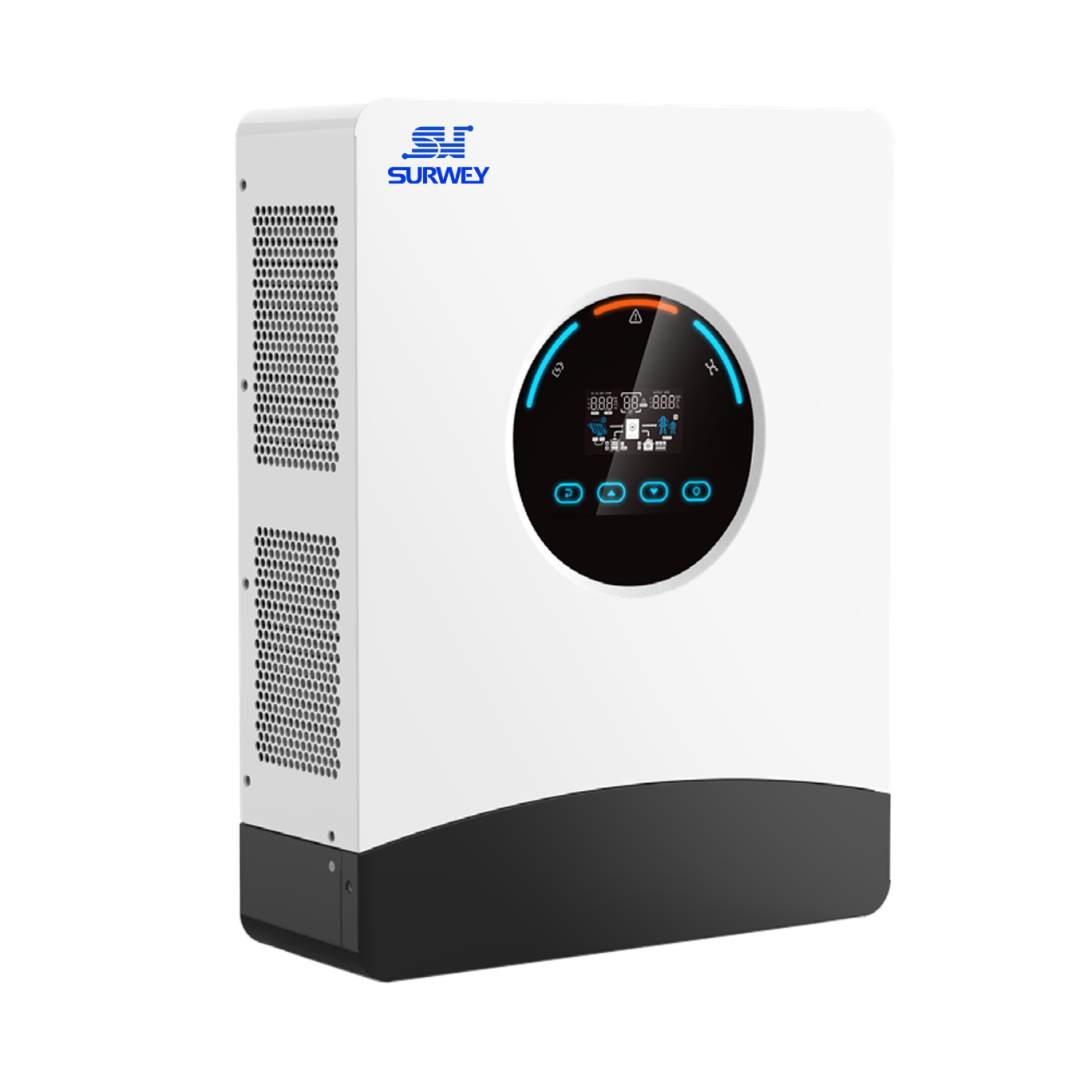
4 kW Hybrid Energy Storage Inverter
(2) Photovoltaic Modules: 650W N-type bifacial double-glass modules (4 cells in series)
Peak power Pmax: 650 W; peak operating voltage Vmp: 41.56 V; peak operating current Imp: 15.65 A
Open-circuit voltage Voc: 49.73 V; short-circuit current Isc: 16.56 A; module conversion efficiency 24.1%
The module dimensions are 2382 × 1134 × 30 mm, with a unit weight of 32.3 kg. Its moderate footprint on rooftops effectively reduces Balance of System (BOS) costs—such as mounting structures and cabling—thereby lowering the project’s overall Levelized Cost of Electricity (LCOE).
(3) Energy Storage Battery Pack: SW-WH-24200 Wall-Mounted 5 kWh Lithium Iron Phosphate Battery
The system’s energy storage unit consists of a 25.6V wall-mounted lithium iron phosphate battery with a rated capacity of 200Ah and a rated energy of 5,120Wh, corresponding to a storage capacity of 5kWh. This precisely meets the system’s average daily energy storage requirement of 5kWh and serves as the core energy source for emergency power supply during power outages.
Electrical Parameters
Nominal voltage: 25.6V; charge termination voltage: 29.2V; discharge cutoff range: 22.4V–23.2V; maximum continuous charge current: 150A; maximum continuous discharge current: 200A. With ample charge and discharge headroom, the system can rapidly absorb excess solar power generated during the day and provide short-term, high-power supply to household loads.
Communication and Safety Protection
Equipped as standard with multiple communication interfaces—including RS232, RS485, and CAN—it enables real-time data exchange with inverters, allowing bidirectional synchronization of battery and inverter operating statuses. It features a comprehensive set of built-in protection mechanisms covering overcharge, over-discharge, overload, short circuit, and over-temperature protection. The battery cells exhibit excellent thermal stability, significantly reducing the risk of thermal runaway.
Environmental and Installation Characteristics
Operates stably within an operating temperature range of -20°C to 60°C and at ambient humidity below 95% (non-condensing), with a maximum operating altitude of 4,000 meters; the wall-mounted design saves indoor space and allows for easy installation without the need for a separate battery room; battery cells have a cycle life of over 8,000 cycles and a design service life of 10 years, resulting in lower replacement costs over the long term.
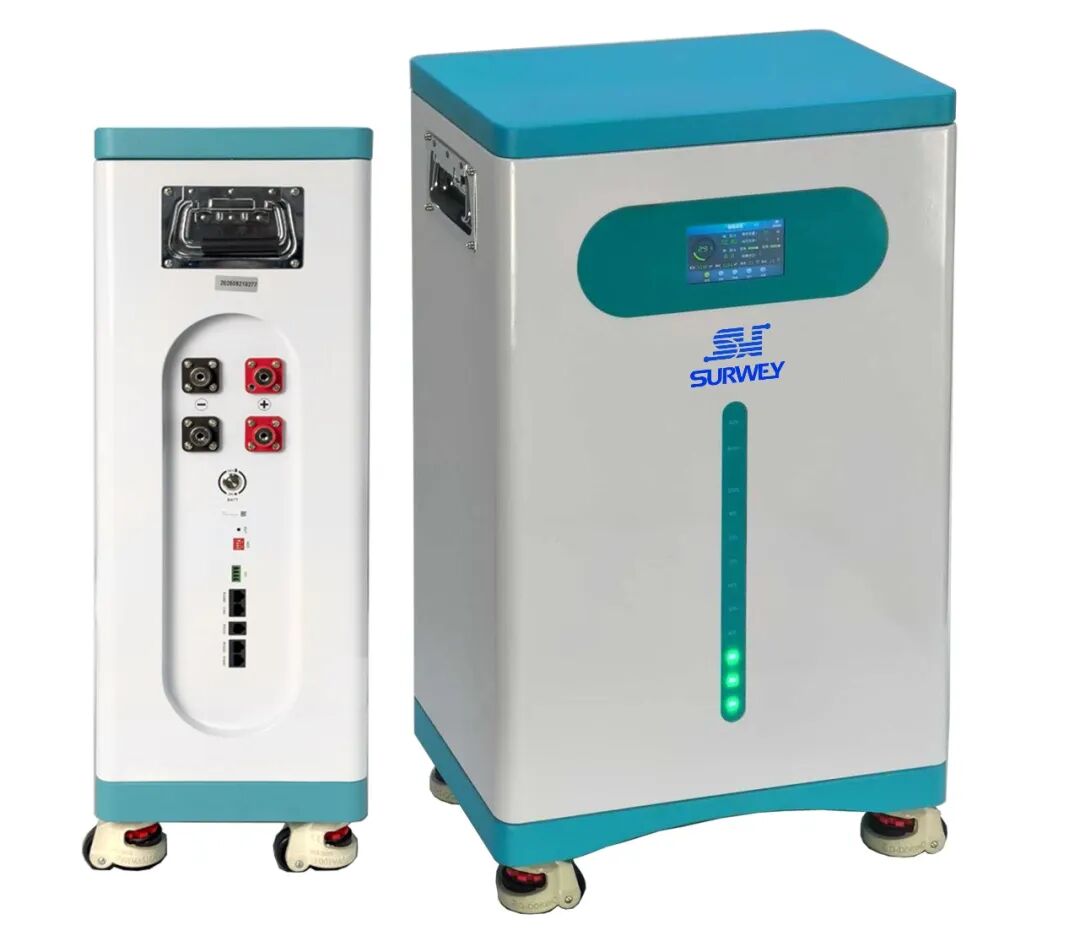
5 kWh lithium iron phosphate battery
III. Verification of Electrical Compatibility of System Equipment
Matching the electrical parameters of the equipment is the foundation for stable system operation. This proposal conducts comprehensive verification calculations for both the PV strings and the inverter’s MPPT, as well as the battery and the inverter’s DC bus voltage. All operating parameters fall within the equipment’s rated operating range, with no risk of overvoltage or overcurrent.
(1) Verification of PV-Side Parameter Matching for 4 650W Modules Connected in Series
The entire PV array consists of 4 650W modules connected in series. The voltage and current calculations after series connection are as follows:
Voltage Verification: Open-circuit voltage (Voc) of a single module = 49.73 V, Total open-circuit voltage of 4 strings = 49.73 × 4 = 198.92 V. Maximum power point voltage (Vmp) of a single module = 41.56 V; total operating voltage of 4 strings = 41.56 × 4 = 166.24 V. The inverter’s MPPT operating range is 85 V to 450 V, with a maximum allowable PV open-circuit voltage of 500 V. After series connection, both the total open-circuit voltage and operating voltage fall within the MPPT tracking range. The inverter can capture maximum power output around the clock without the risk of high-voltage breakdown, and the voltage will not fall below the 85V startup threshold even in low-light conditions.
Current Verification The current in the series module circuit is consistent with that of a single module. Under STC conditions, the peak operating current (Imp) is 15.65 A, and the short-circuit current (Isc) is 16.56 A. The inverter’s maximum continuous input current per MPPT channel is 15 A, and its maximum short-circuit current rating is 18 A. The module’s short-circuit current of 16.56 A is below the 18 A tolerance limit; the operating current of 15.65 A is close to the rated continuous current. The inverter features built-in real-time overcurrent protection that immediately cuts off the PV input once the current exceeds the limit, ensuring the safety of the entire system.
(2) Verification of Voltage Matching Between the Energy Storage Battery and the Inverter
The energy storage battery has a nominal voltage of 25.6 V, and the inverter’s battery-side DC voltage range is 20 V to 30 V. The battery’s charge cut-off voltage is 29.2V and the minimum discharge voltage is 22.4V; these values fall entirely within the inverter’s battery operating range, eliminating the need for additional step-up or step-down equipment. The inverter can read battery BMS data via the CAN bus to automatically adjust charging power and limit the depth of discharge, thereby preventing overcharging and over-discharging of the battery and extending the service life of the energy storage system.
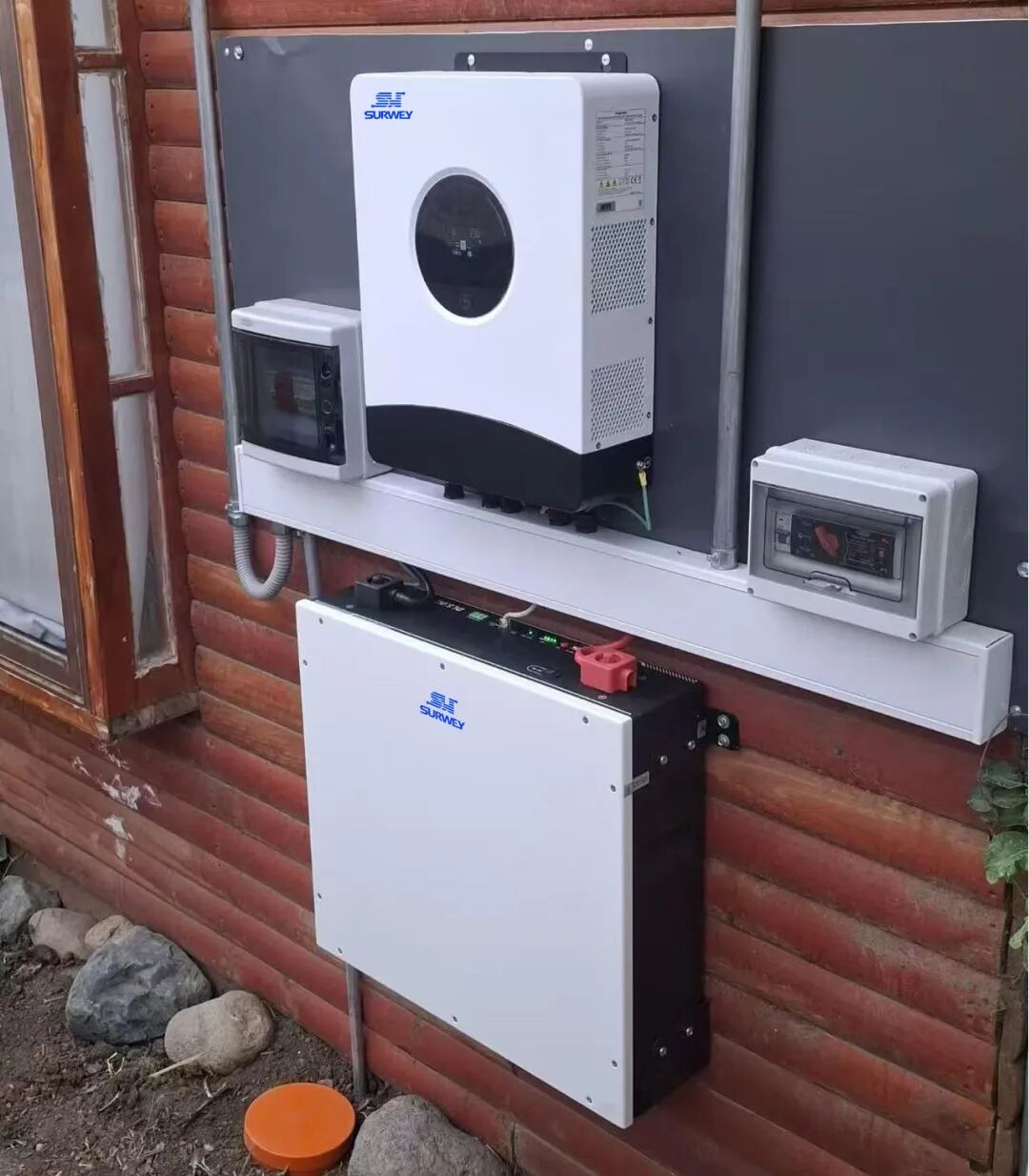
4 kW, 5 kWh Photovoltaic Energy Storage System
IV. System Operating Modes and Operational Logic
The system supports automatic switching between grid-connected and off-grid modes. It intelligently manages the flow of energy among the solar panels, battery, and grid based on grid availability, sunlight intensity, and household power consumption, covering both daily electricity use and emergency power needs during outages.
Grid-Connected Self-Consumption Mode (When the grid is supplying power normally): During the day when sunlight is abundant, the 650W solar panels prioritize supplying power to household loads such as lighting, TVs, refrigerators, and fans; When PV generation exceeds load consumption, excess electricity is automatically stored in the 5 kWh energy storage battery; if PV output falls short of load demand, the grid automatically supplements the difference, reducing the need to purchase electricity from the utility. The entire system fully utilizes daytime solar energy to lower monthly electricity bills.
Off-Grid Emergency Standby Mode (Grid Outage): In the event of a grid failure or power outage, the system automatically switches to standalone off-grid operation instantly, with no power interruption delay; the battery immediately releases stored energy to keep appliances running. During the day, the 650W photovoltaic array continues to generate electricity, prioritizing power supply to loads, while surplus power is continuously fed into the battery to extend the duration of nighttime operation without grid power. The entire system operates completely independent of diesel generators, with no fuel consumption or operational noise, making it ideal for Iraq’s prolonged summer power outages.
Smart Energy Management Mode: The inverter features built-in intelligent charge/discharge logic that dynamically adjusts energy storage strategies based on daily sunlight forecasts and remaining battery capacity. At night, when there is no PV output, the battery supplies power only to essential loads, minimizing energy loss. The system records daily power generation, energy storage, and electricity consumption in real time, allowing users to intuitively monitor their energy usage.
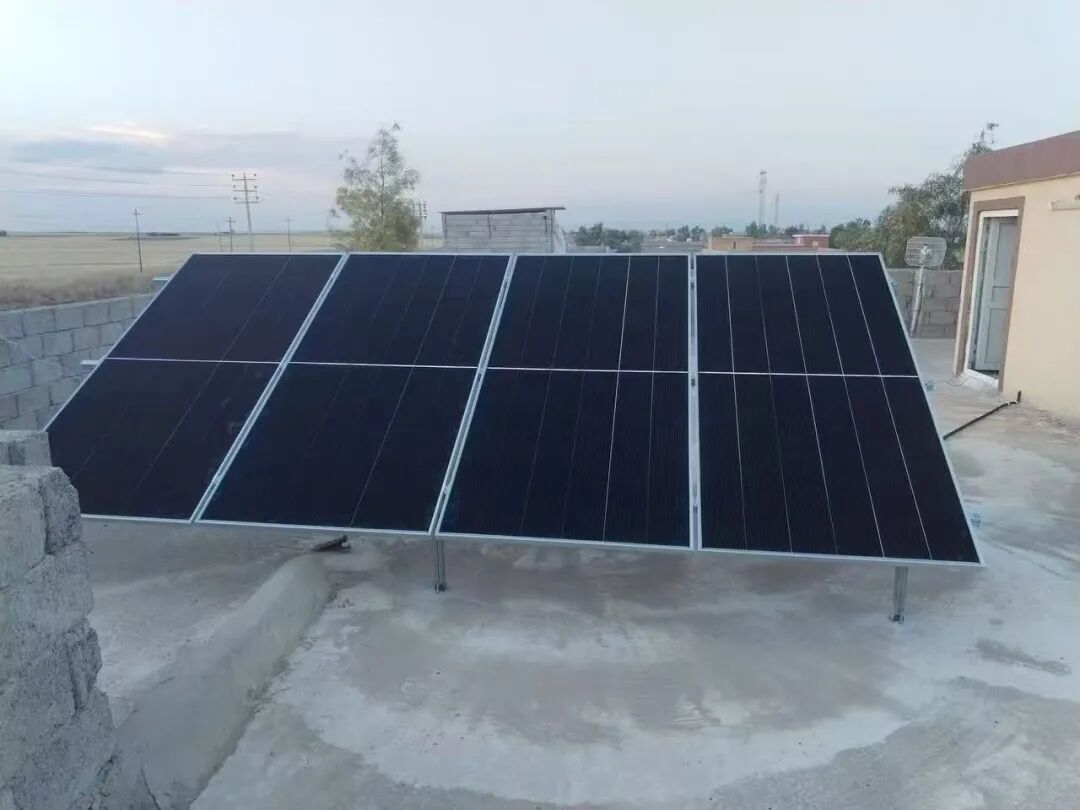
4 kW, 5 kWh Photovoltaic Energy Storage System
V. Analysis of the Match Between Average Daily Electricity Generation and Energy Storage Capacity
(1) Feasibility Calculation for an Average Daily Power Generation of 13 kWh
The total installed capacity of the photovoltaic system is 2.6 kW. Based on Iraq’s average annual effective sunshine resources, the average daily peak equivalent sunshine duration is approximately 5.2 to 5.8 hours. Taking into account system losses (cable losses, inverter conversion losses, and dust-induced shading losses), the overall efficiency is set at 0.86. Theoretical power generation = 2.6 kW × 5.5 h × 0.86 ≈ 12.32 kWh; when combined with the 5%–8% power generation gain from the bifacial design of the modules, the actual average daily power generation can consistently reach 13 kWh, fully meeting the design specifications and covering the basic round-the-clock electricity needs of an average household.
(2) Analysis of the 5 kWh Average Daily Energy Storage Capacity
A 5 kWh wall-mounted energy storage battery is configured, which fully matches the system’s average daily surplus energy storage requirements. During the day, after deducting real-time load consumption from the electricity generated by the four 650W photovoltaic modules, all remaining energy is stored in the battery, with a daily storage limit of 5 kWh. At night or during power outages, the battery discharges stored electricity to support basic loads, enabling continuous use of household lighting, the refrigerator, and the television. This allows for the cross-time utilization of daytime solar energy, significantly reducing reliance on the utility grid.
VI. Core Application Value of the Solution
Addressing the issue of frequent power outages in the area: During the summer, the local power grid suffers from overloads and frequent line failures, while the purchase and fuel costs of diesel generators are high, and they cause severe noise pollution. This solar-storage system switches to off-grid power supply in milliseconds, requires no fuel, and ensures the uninterrupted operation of essential home appliances year-round, significantly improving the comfort of residential electricity use.
Long-Term Reduction in Electricity Costs:Solar energy is a zero-cost, clean energy source. An array consisting of four 650W photovoltaic modules generates an average of 13 kWh per day, significantly reducing the amount of electricity purchased from the grid. The energy storage system captures excess solar power generated during the day to offset nighttime grid consumption. Over the long term, this operation can significantly lower monthly electricity bills, resulting in a short payback period.
Green, Quiet, and Environmentally Friendly:The entire system operates without combustion, exhaust emissions, or noise. Unlike diesel generators, it produces no exhaust pollution and does not generate noise that disturbs residents’ daily lives.
Adapted to Harsh Climates, Simple Operation and Maintenance: The solar panels, inverters, and batteries all feature wide-temperature and high-protection designs, capable of withstanding Iraq’s high summer temperatures, diurnal temperature fluctuations, and sand and dust erosion. The system contains no complex or fragile mechanical parts; routine maintenance requires only simple cleaning of dust from the panel surfaces, making it easy for ordinary households to maintain on their own.
VII. Summary of the Proposal
This Iraqi residential photovoltaic-storage integrated system establishes a complete clean power supply system using a 4kW hybrid energy storage inverter, four 650W N-type bifacial double-glass photovoltaic modules, and a 5kWh wall-mounted lithium iron phosphate battery. The electrical parameters of the entire system are fully compatible, eliminating the need for additional transformers and ensuring easy installation. The system consistently achieves an average daily power generation of 13 kWh and an average daily energy storage capacity of 5 kWh, serving both daily grid-connected power savings and emergency backup during power outages. It thoroughly addresses issues such as grid instability, high operating costs of traditional generators, and noise pollution in Iraq.
This comprehensive solution features mature technology, highly weather-resistant equipment, and low operation and maintenance costs. With solar energy as its core clean energy source, it provides local residents with a quiet, fuel-free, and sustainable home power supply solution. Offering outstanding economic benefits and environmental value, it is the preferred cost-effective residential solar-plus-storage solution tailored for Iraqi homes.