Analysis of the Technical Solution for a 6.2 kW/15 kWh All-in-One Lithium-Ion Battery System with a 460 W Photovoltaic Module System
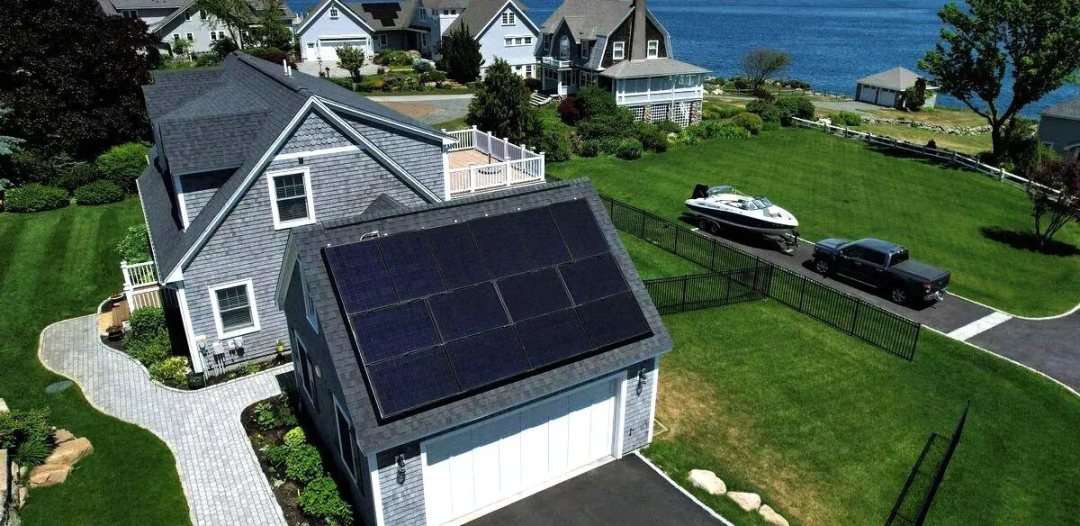
Germany: Residential Solar Energy Storage Systems

6.2 kW / 15 kWh Solar Power System Configuration Diagram

Topology Diagram of a 6.2 kW/15 kWh Solar Power Generation System
Animation illustrating the direction of current flow in the system
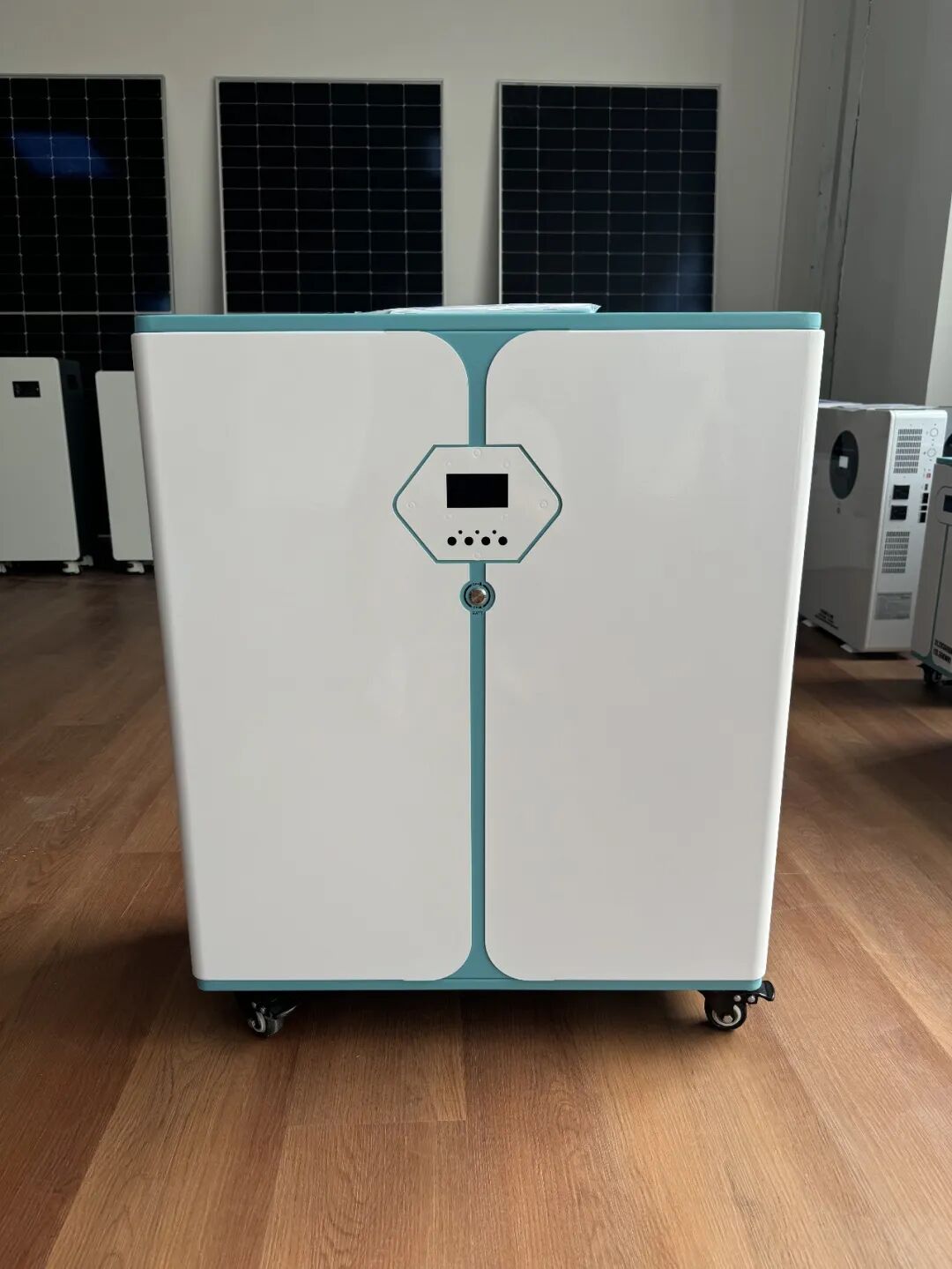
6.2 kW / 15 kWh Mobile All-in-One Lithium-Ion Energy Storage System
In terms of PV module series connection design and electrical compatibility, a series configuration of 10 460W PV modules is fully compatible with the PV input voltage range of the lithium-ion integrated unit. The open-circuit voltage of these 460W PV modules is approximately 40.65V, and when 10 modules are connected in series, the open-circuit voltage reaches 406.5V. This falls within the all-in-one unit’s 60–450V PV input voltage range, satisfying the MPPT controller’s minimum input voltage requirement without exceeding the maximum voltage limit. This ensures that the module’s output voltage remains within the unit’s effective reception range under varying light and temperature conditions. The modules feature a double-glass, bifacial N-type monocrystalline silicon design with a maximum conversion efficiency of 23.0%. They can stably generate electricity under 5 hours of effective sunlight, and their wide operating temperature range of -40°C to +85°C is well-suited to the energy storage integrated unit ’s operating environment of -20°C to 60°C. Whether in extreme heat or bitter cold, the system can operate normally in outdoor environments, demonstrating strong regional adaptability.
From the perspective of the system’s overall operational logic, this solution achieves a closed-loop operation of “solar energy conversion – electrical energy storage – intelligent power supply,” significantly improving energy utilization efficiency. During daylight hours, the photovoltaic modules convert solar energy into direct current (DC). After maximum power point tracking (MPPT) by the controller, a portion is supplied directly to the load, while the remainder charges the battery of the integrated energy storage unit. When the battery reaches a charge termination voltage of 58.4V, the unit automatically stops charging to prevent overcharging and battery damage. During periods of no sunlight or in the event of a grid outage, the energy storage battery—with a discharge cut-off voltage of 44.8–46.5V as the lower limit—converts DC power to AC power via the inverter to continuously supply power to the load. The 6.2 kW rated power of the inverter can meet the demand for simultaneous power consumption by multiple devices. Additionally, the unit’s network connectivity enables real-time monitoring of PV power generation, battery charge/discharge status, and load power consumption. Users can adjust energy allocation strategies based on their power needs to further optimize their energy consumption structure.
This photovoltaic energy storage system also offers multiple technical advantages in terms of installation, maintenance, and practicality. The integrated energy storage unit features a compact, mobile design with dimensions of 660 × 280 × 730 mm and a weight of 125 kg. It is highly portable and has a small footprint, allowing for flexible placement according to the installation environment. The side-mounted port design effectively prevents heat buildup inside the unit, improving heat dissipation and extending the equipment’s service life. Each PV module weighs 24.5 kg and measures 1762 × 1134 × 30 mm. Equipped with eight mounting holes, installation is straightforward. The 10-panel series connection configuration reduces the number of connection points, thereby lowering the probability of wiring failures. The system requires no complex external equipment; the PV modules can be directly connected to the all-in-one unit for immediate operation. Subsequent maintenance involves only routine inspections of device interfaces and wiring, ensuring low maintenance costs and user-friendly operation.
Overall, the combination of the 6.2 kW/15 kWh lithium-ion mobile energy storage all-in-one unit and the 10-string 460 W PV modules is a distributed PV-storage system that is highly optimized in terms of power matching, electrical compatibility, and operational logic. It not only maximizes the solar panels’ energy conversion efficiency but also enables efficient energy storage and intelligent power allocation through the integrated storage unit, while ensuring operational safety, environmental adaptability, and ease of installation and maintenance. This system effectively reduces reliance on the utility grid, enhancing energy self-sufficiency and stability. It offers significant value in distributed power consumption scenarios such as residential homes and small retail stores, providing an efficient and viable technical solution for the distributed utilization of renewable energy.