Technical Solution for a 6 kW/10.24 kWh Residential PV-Storage Integrated System
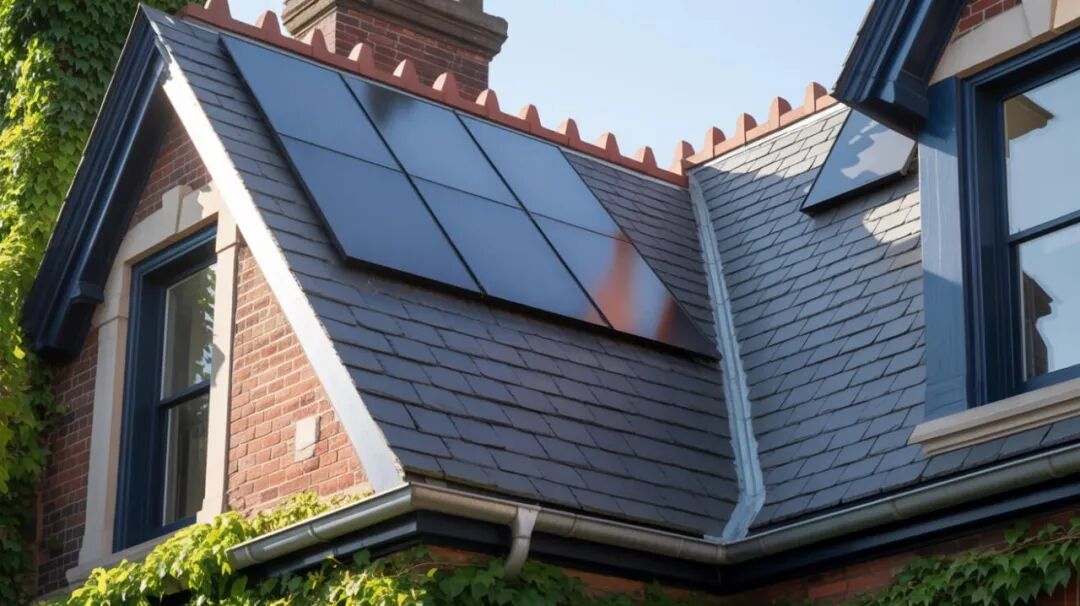
Residential Solar and Storage in England
I. Project Overview
How a 6 kW/10 kWh Residential Solar Energy Storage System Works
This project is a residential distributed solar energy storage system designed to achieve the core objectives of self-sufficiency in household electricity, optimization of peak-off-peak electricity rates, and emergency backup power through the coordinated operation of solar power generation and an integrated energy storage unit. At the same time, it reduces household electricity costs and carbon emissions, promoting a green and low-carbon lifestyle.
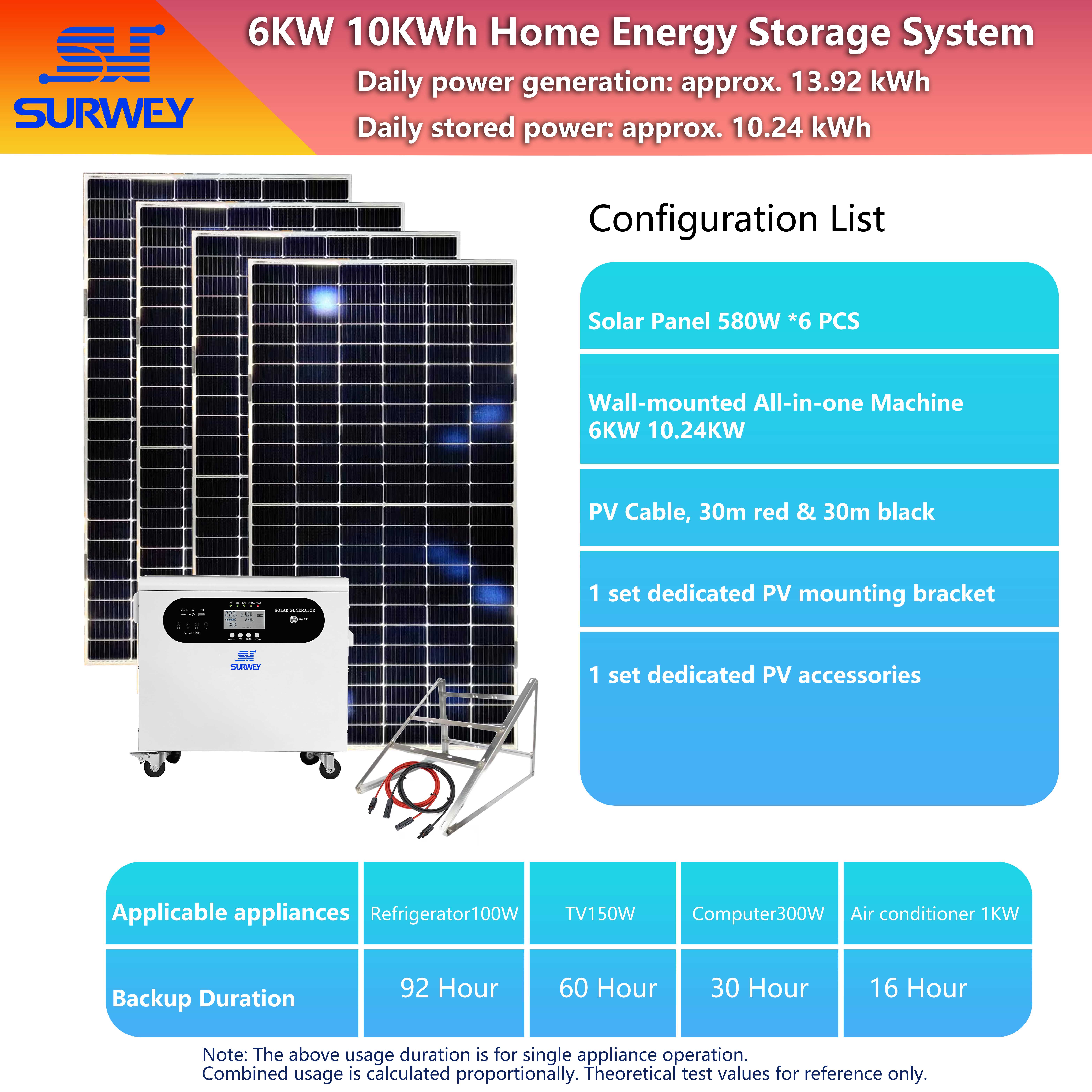
6kW 10kWh Residential Solar Energy Storage System Configuration Diagram
The system is configured with 6 high-efficiency 580W solar panels, 1 SW-T6K residential all-in-one energy storage unit, along with solar mounting brackets, 4mm² DC solar cables, MC4 connectors, and other accessories. The system is designed to generate an average of 13.92kWh per day, and a storage capacity of 10.24 kWh. It meets the daily electricity and peak load demands of a typical household, offering core advantages such as high-efficiency power generation, stable energy storage, intelligent load management, and safety and reliability.
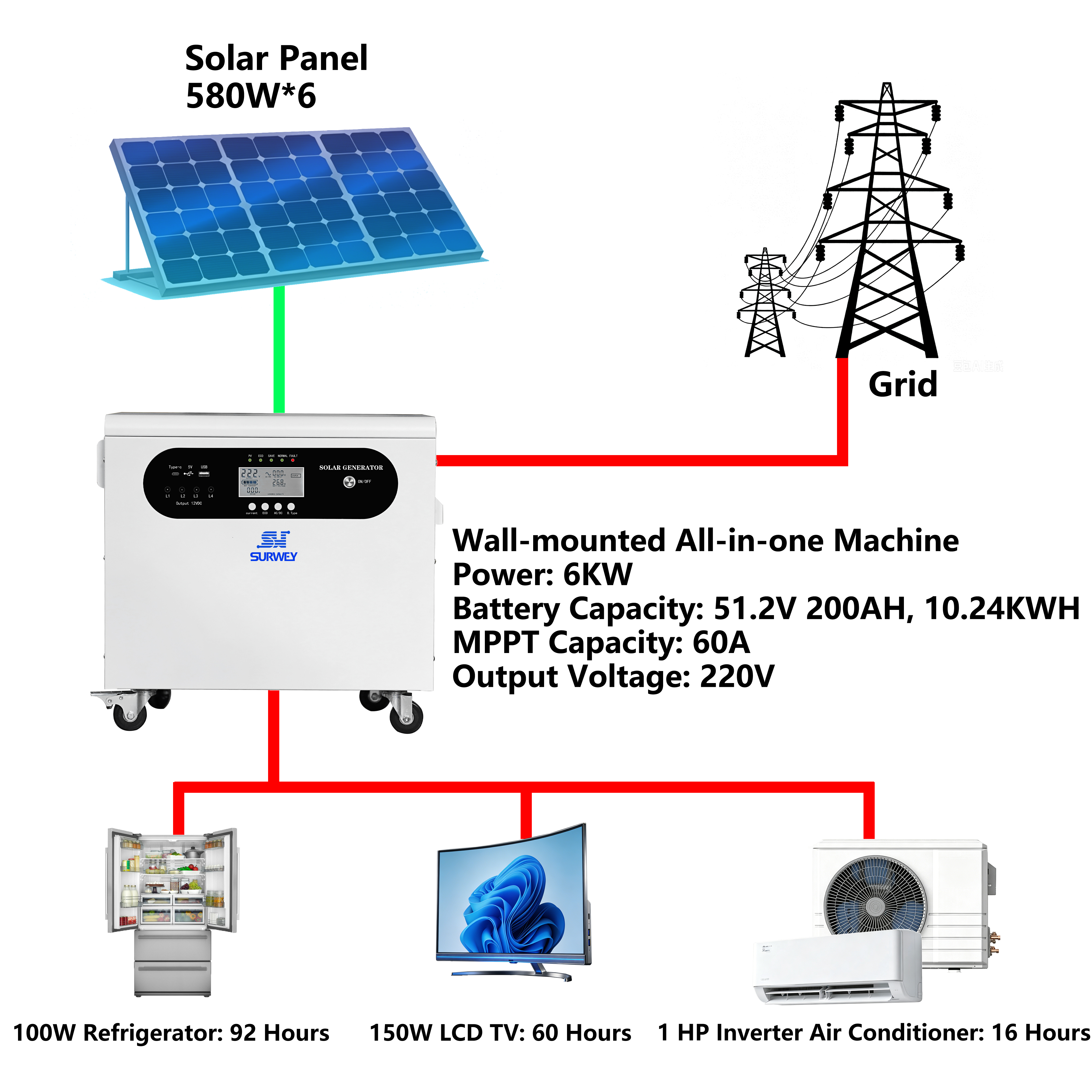
Topology Diagram of a 6 kW/10 kWh Residential Solar Energy Storage System
II. Selection of Core Equipment and Technical Specifications
(1) Solar Panels
Six 580W high-efficiency monocrystalline silicon solar panels are selected. The key specifications are as follows:
Rated power: 580W per panel; total installed PV capacity: 3.48 kW
Open-circuit voltage: 51V
High conversion efficiency and excellent low-light performance, suitable for residential distributed installation scenarios
High durability with wind and hail resistance, suitable for various outdoor environments
(2) SW-T6K Residential All-in-One Energy Storage System
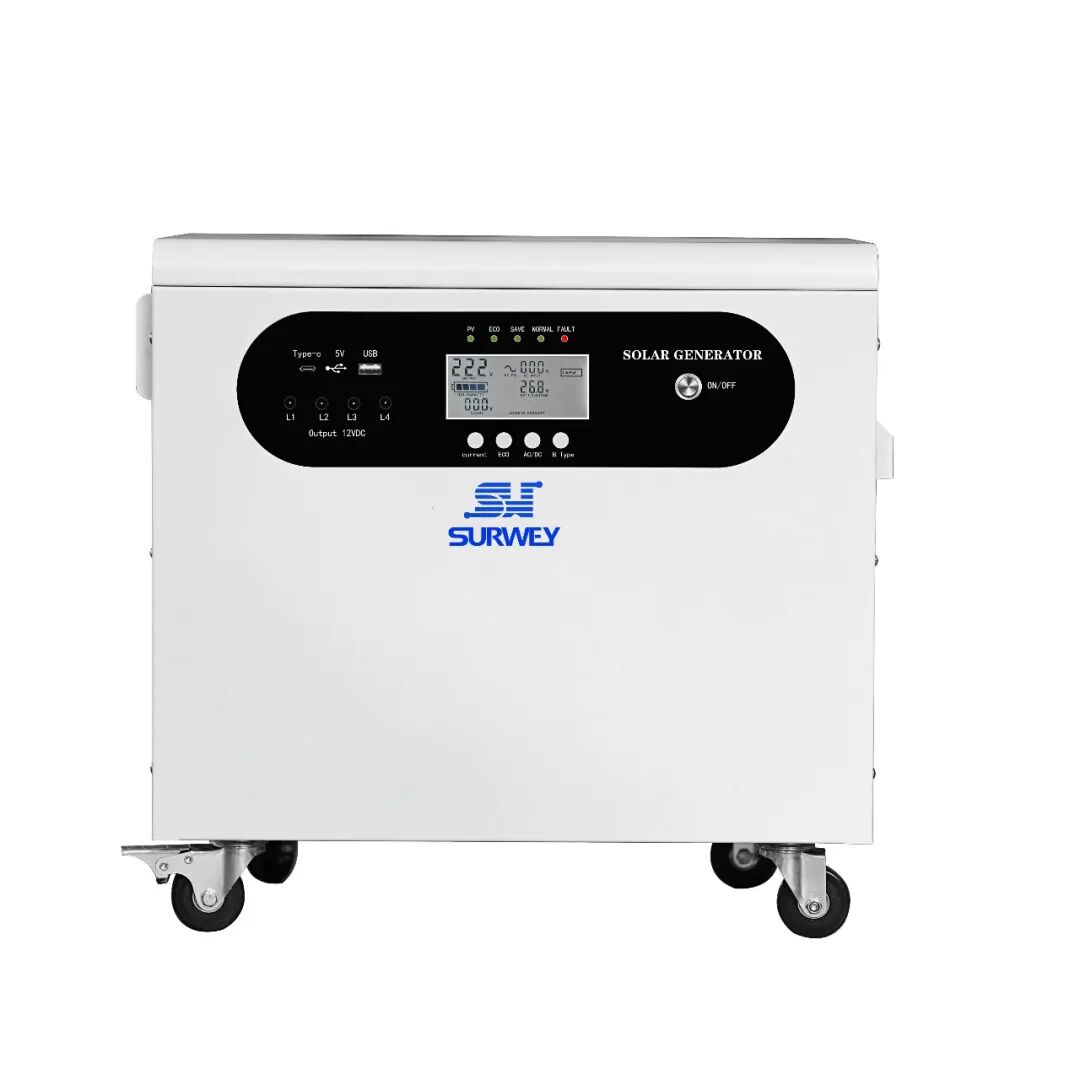
Residential All-in-One Energy Storage System
Rated Power
6000W, capable of powering high-power household appliances such as air conditioners, refrigerators, washing machines, and computers simultaneously
Input and Output Parameters
AC input voltage: 220VAC, input voltage range: 165V–260VAC; AC output voltage: 200VAC ±5%, pure sine wave output, peak efficiency: 83%–85%, perfectly compatible with all types of household appliances
PV Charging Performance
Features MPPT solar charging technology with an MPPT efficiency of up to 99.9%; maximum PV input power of 4800W, compatible with the project’s 3.48kW PV array; maximum PV open-circuit voltage of 200VDC, perfectly matching the 51V open-circuit voltage of 580W modules; maximum solar charging current of 60A, ensuring efficient conversion of solar energy
Battery System
Features a built-in 200Ah lithium iron phosphate (LiFePO₄) battery cell with a voltage of 51.2 VDC and a storage capacity of 10.24 kWh; the float charge voltage is 57.2 VDC, and the overcharge protection voltage is 58.4 VDC, providing comprehensive battery protection mechanisms; LiFePO₄ cells offer a long cycle life, high safety, and strong scalability, meeting the requirements for long-term stable operation
Operational Characteristics
Short switchover time: only 20 milliseconds for household appliances and 15 minutes for personal computers, ensuring uninterrupted power supply; operating temperature range: -10°C to 50°C; storage temperature range: -15°C to 60°C; humidity range: 5%–95% (non-condensing); suitable for residential applications in most regions
Smart Features
Supports time-of-use charging and discharging, allowing users to take advantage of peak-to-off-peak electricity price differentials by charging during off-peak hours and discharging during peak hours, significantly reducing electricity costs; features SPWM modulation technology to deliver high-quality pure sine waves, protecting sensitive electronic equipment
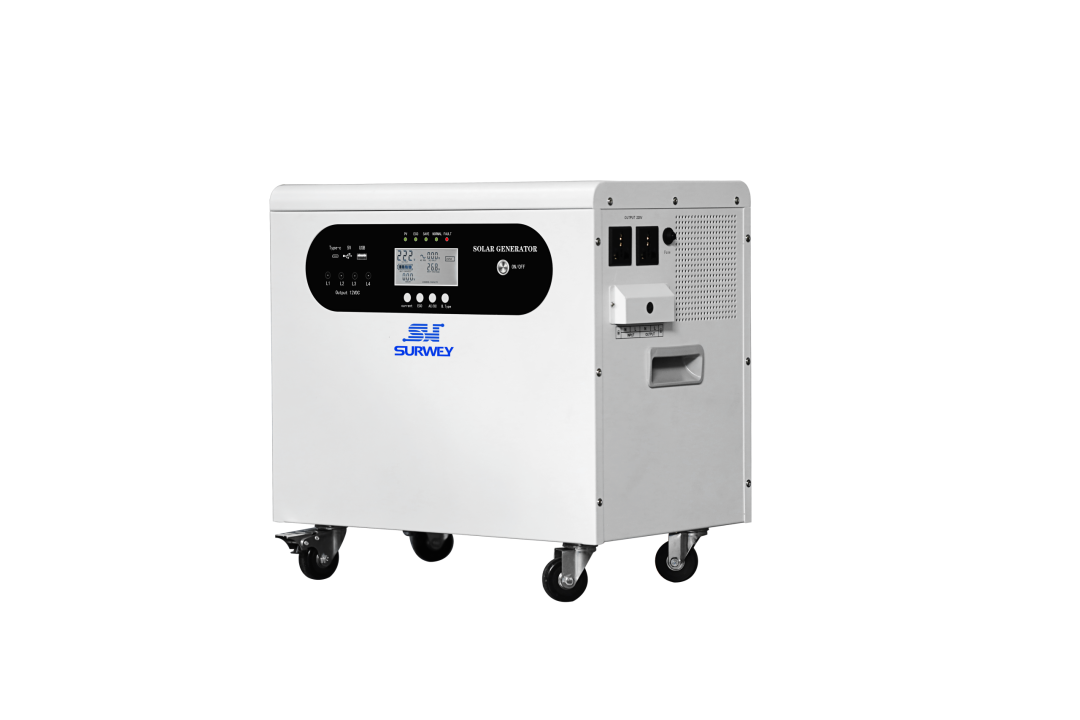
Residential All-in-One Energy Storage System
(3) Supporting Accessories
PV Mounting System
1 set, made of high-strength aluminum alloy, corrosion- and rust-resistant, suitable for roof or ground installation, with adjustable angles to maximize sunlight absorption efficiency of the PV modules
PV DC Cable
4 mm² gauge, total length 30 meters, featuring high-temperature resistance, aging resistance, and low loss characteristics to ensure stable transmission of PV power
MC4 Connectors
3 pairs, waterproof and dustproof with reliable connections; used to connect solar panels to each other and to the energy storage unit, reducing line losses
III. System Operating Principle
This photovoltaic energy storage system operates on a “photovoltaic power generation + energy storage + smart power supply” model. The core process is divided into four stages: photovoltaic charging, energy storage, load power supply, and emergency backup, all intelligently managed by the SW-T6K energy storage unit:
Photovoltaic Charging Phase: During daylight hours with ample sunlight, six 580W solar panels convert solar energy into DC power, which is transmitted via 4mm² DC cables to the MPPT charger in the energy storage unit. MPPT technology tracks the maximum power point in real time, efficiently converting the photovoltaic energy to prioritize supply to household loads, with any remaining energy stored in the built-in lithium iron phosphate battery. Under conditions of 4 hours of average daily sunlight, the system generates an average of 13.92 kWh per day, which can meet most of the daily electricity needs of an average household.
Energy Storage Phase: When solar generation exceeds household electricity consumption, excess energy is automatically stored in the battery. When sunlight is insufficient (on cloudy days or in the evening) or absent at night, the battery discharges energy, which is converted into 220V AC by the all-in-one inverter to power household loads, achieving “self-generation for self-consumption, with surplus energy stored.” The system’s energy storage capacity is 10.24 kWh, sufficient to meet the household’s basic electricity needs during nighttime or on cloudy and rainy days.
Smart Dispatch Phase: The integrated energy storage unit features a built-in intelligent management system that supports time-of-use pricing strategies. During off-peak grid hours (when electricity rates are low), the system automatically recharges from the grid; during peak grid hours (when electricity rates are high), it prioritizes power from the storage battery to reduce grid purchase costs and maximize economic benefits. Simultaneously, the system monitors PV output, battery status, and load consumption in real time, dynamically adjusting charge and discharge power to ensure stable and efficient operation.
Emergency Backup Phase: In the event of a grid outage, the all-in-one energy storage unit can rapidly switch to off-grid power supply mode within 20 milliseconds, outputting pure sine wave AC power. This ensures the normal operation of critical equipment such as home appliances, lighting, and computers, resolving power outage issues and enhancing the reliability of household electricity supply.
IV. Analysis of System Advantages
(1) High-Efficiency Power Generation and High Utilization Rate
The system utilizes 580W high-efficiency PV modules, paired with the SW-T6K integrated unit’s MPPT technology (99.9% efficiency), to maximize the conversion efficiency of solar energy; A 3.48kW photovoltaic installation generates an average of 13.92kWh per day, covering over 70% of a typical household’s daily electricity needs and significantly reducing reliance on the grid.
(2) Safe, Stable, and Highly Reliable
The all-in-one energy storage unit features built-in lithium iron phosphate (LiFePO₄) battery cells and is equipped with multiple hardware and software safety protections against overcharging, over-discharging, overvoltage, overcurrent, and short circuits, having passed numerous safety certifications; SPWM modulation technology produces a pure sine wave output with no harmonic distortion, protecting the lifespan of household appliances; the device is designed to operate in a wide range of temperature and humidity conditions, ensuring high stability during long-term outdoor operation.
(3) Smart Energy Saving and Cost-Effective
Supports time-of-use charging and discharging to save on electricity bills by leveraging peak-to-off-peak price differentials; self-generation and self-consumption reduce grid power purchases, while surplus power storage prevents energy waste; Photovoltaic modules have a lifespan of over 25 years, and energy storage batteries feature a long cycle life; long-term use can significantly reduce electricity costs, resulting in a short return on investment.
(4) Easy Installation and Simple Operation & Maintenance
The SW-T6K is a residential all-in-one energy storage system with high integration and a compact design, and its dimensions are suitable for residential installation spaces; standardized accessories and a simple installation process eliminate the need for complex construction; The system features visual operation monitoring, allowing real-time viewing of power generation, storage status, and electricity consumption data. Routine maintenance requires only periodic checks of panel cleanliness and wiring connections, resulting in low maintenance costs.
(5) Eco-Friendly and Low-Carbon
Photovoltaic power generation is a clean energy source, producing no noise, emissions, or pollution. The system reduces fossil fuel consumption and lowers carbon emissions during operation, contributing to the achievement of the “Dual Carbon” goals and delivering both economic and environmental benefits.
V. Installation and Construction Plan
(1) Installation Site Selection
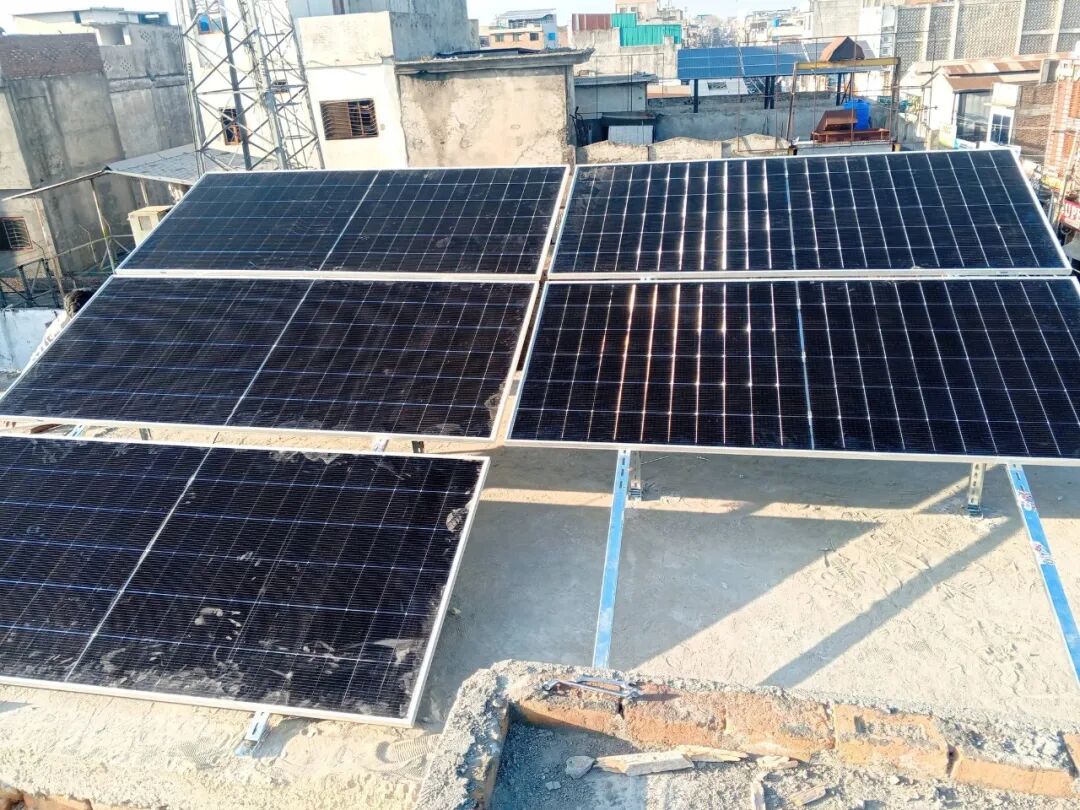
Residential Rooftop Solar in Pakistan
(2) Installation Process
Mounting Installation
Secure the solar mounting structure, adjust the angle to the optimal orientation for local sunlight conditions, and ensure the structure is firmly and stably mounted with wind resistance meeting standards.
Panel Installation
Mount six 580W solar panels onto the mounting structure, spacing them appropriately to avoid shading; connect the panels in series using MC4 connectors to form a solar array.
Wiring Connection
Lay 30 meters of 4mm² DC photovoltaic cable to connect the photovoltaic array to the energy storage unit. Ensure the wiring is neatly routed and properly waterproofed and insulated to minimize line losses.
Energy Storage Unit Installation
Secure the SW-T6K energy storage unit in place, connect the AC input and output lines, and complete the equipment grounding to ensure electrical safety.
Commissioning and Operation
After power-up, commission functions such as MPPT charging, battery charging and discharging, load power supply, and off-grid switching. Monitor all system parameters to ensure normal operation.
(3) Construction Precautions
VI. Operation and Maintenance Management Plan
(I) Routine Inspections
(2) Periodic Maintenance
(3) Troubleshooting
VII. Summary
With well-selected equipment, mature and reliable technology, and simple installation and maintenance, this solution is well-suited for typical residential settings. It is a home energy solution that combines economic benefits, environmental benefits, and practicality, helping households achieve the lifestyle philosophy of “green, smart, and cost-effective electricity use.”